
Food prices are going up and the Government is not doing anything about it - Andrew Vine
I nodded in agreement the other day when people began posting pictures on TikTok of their supermarket shopping and asking each other why prices have suddenly shot up.

The posts came piling in, with thousands saying the same thing – that food has become so expensive. There were specifics all of us will recognise – the shop that cost £55 a few weeks ago is now £65, or there’s no longer change from £20 for a handful of essential bits and pieces picked up on the way home from work or the school run.
And that was central to the concern being expressed in the posts – the essentials are all going up. Bread, milk, meat and fish, fruit and vegetables all seem to be increasing in price, and there is no way of economising on these basics because they are at the heart of most diets.
Even the two discount chains, Aldi and Lidl, which challenged the traditional dominance of food shopping by the big four supermarkets with lower prices, were the subject of complaints.
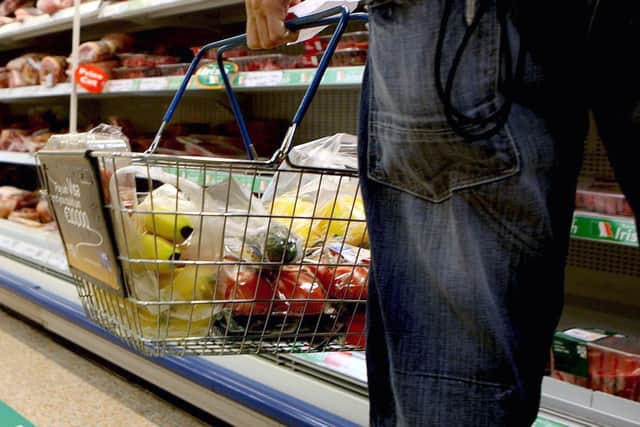

I’ve certainly noticed my weekly shop costing more, and the sheer volume of the TikTok posts demonstrated that people all over the country are waking up to rising prices and worrying about them.
The Government ought to be worried too. If massive numbers of people are taking to social media to express concern about what it’s costing to put food on the table, that points to a groundswell of discontent about the way the economy is being run.
Inflation is running at about three times the government’s target of two per cent, but that headline figure doesn’t tell the whole story of shoppers’ disquiet at what it is costing to fill up their supermarket trollies.
According to the Food and Drink Federation, prices have risen by 40 per cent in the past five years, and the TikTok posts demonstrate that they are really beginning to bite.
That’s an eye-watering rate of increase. Household incomes haven’t risen by anything like that percentage over the same period. On the contrary, they have been eroded not only by food prices but hikes in the bills for gas, electricity, water and council tax.
This is a real problem for Labour, which before coming to power last year gained a lot of credibility with voters by attacking the dying Conservative government over what it termed the cost-of-living crisis.
I don’t recall a social media storm about food prices while that was happening, and the fact there is one now points to consumers being annoyed and resentful at relentlessly increasing bills.
They’ll be even more annoyed when it dawns on them that this is a cost-of-living crisis of the government’s own making.
Food prices aren’t increasing because the supermarkets are profiteering or their suppliers are being paid more, which any farmer will testify to.
They are going up as a result of costs imposed on retailers by the government, particularly the increase in employers’ national insurance contributions and the higher minimum wage which the British Retail Consortium has said are costing companies an additional £5bn a year.
Those costs are being passed on to consumers, and the bad news for shoppers trying to make the most of their money is they are going to have to fork out for another government measure that will probably increase bills even further.
This month sees the introduction of something called “extended producer responsibility”, which to most people sounds like dull official jargon, but is in reality a measure that lumbers retailers with finding an additional £1.4bn a year.
It is another tax on them which requires manufacturers to stump up for councils collecting and recycling packaging. The food industry has already insisted that it cannot absorb these new costs, which will also be passed on to consumers.
Only weeks ago, most of the leading supermarkets, including M&S, Sainsburys and Tesco, warned the government that food prices would increase by at least six per cent by December as a result of the additional costs.
This is very bad news for consumers, especially the poorest and pensioners on fixed incomes which are dwindling in real terms, and comes in the run-up to Christmas, which for most households is the most expensive time of the year.
There was no meaningful response to the retailers, and any talk on the part of ministers about their determination to bring overall price inflation down is frankly unconvincing because it runs up against the uncomfortable fact that food is costing more because of the government’s own policies.