
For all its flaws, the rail network remains something to be proud of 200 years on - Andrew Vine
Even though all of us who regularly travel by train have plenty to grumble about, this week we ought to raise a toast to the railways. Yesterday marked the 200th anniversary of the Stockton and Darlington line opening, an event which kick-started the development of the modern railway, ushering in a transport revolution that spread worldwide.

A replica of the steam engine that hauled the first trains, Locomotion No. 1, ran along the route yesterday and will do so again today, cheered on by spectators enchanted at seeing history brought to life.
We can all share their cheers, because for all its flaws, the rail network that began as a single line for carrying coal from the pits of the north-east remains something to be proud of.
Yes, it can be infuriating and needs a lot of money spending, as well as a comprehensive overhaul to sort out its many problems.

Yorkshire’s long-suffering commuters, crammed into overcrowded trains or freezing on platforms waiting for services that are either late or don’t turn up at all, while paying through the nose for the privilege, are more likely to curse the railway than sing its praises.
And the fiasco that has been high speed rail, the ruinously expensive saga of incompetence which still has years to run and billions to waste, has shattered a lot of faith in this country’s ability to operate a modern railway.
But even so rail remains part of our national DNA, retaining our trust and maybe even affection too. When the trains run on time, as in truth most of them do, and you can get a seat, the railways are still the best way to travel and absolutely vital to the functioning of our country, whether in getting people to work or transporting freight.
The trust is demonstrated by the record numbers of passengers the rail network carried before Covid changed how so many people work, and the growth in weekend leisure journeys since then.
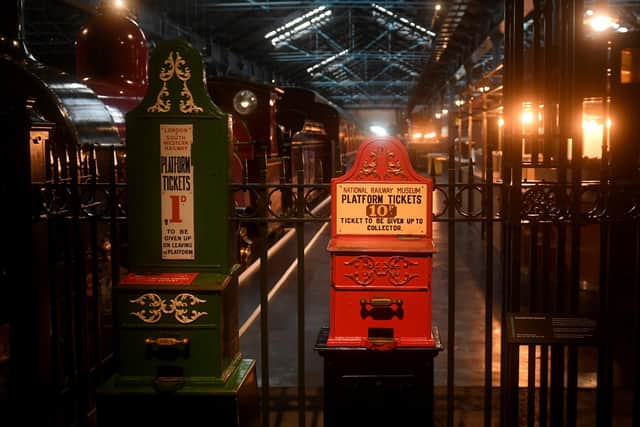
The affection is there to be seen in the crowds that flock to the newly-revamped National Railway Museum, in York, one of Yorkshire’s leading visitor attractions, and the heritage railways that steam at a stately pace through some of our loveliest countryside.
For us, this anniversary has special resonance. Without what happened two centuries ago, Yorkshire would simply not be the county it is.
The development of railways turned cities including Leeds, Bradford and Sheffield into workshops of the world, and Hull into one of the country’s busiest ports, the economies of all fuelled by the coal dug in South and West Yorkshire and transported by train.
The railway works at Doncaster produced the locomotives that delivered world-leading services undreamed of in 1825, perhaps most famously Flying Scotsman, which still sends a thrill of excitement through passengers and onlookers today.
The everyday glitches of a system that suffers from problems created by a disjointed and historically botched privatisation model shouldn’t obscure the fact that the country that pioneered railways before giving them to the rest of world still has one of its most enviable networks.
Millions of commuters rely on it, as do children, students and people needing to attend appointments at hospital. Even where trains are scarce, they are timed to be as convenient as possible to the maximum number of people, and in recent years operators have invested in new rolling stock in an effort to improve services.
None of the network’s failings is beyond being solved by political will, skilful management and targeted investment. The importance of all those things for the benefit of the north’s economy is only underlined by the anniversary.
If the likes of Leeds, Sheffield and Bradford needed the railway in centuries past to grow and develop into the cities they are today, Yorkshire still needs it to create new growth for tomorrow.
The disappointment – and anger – in Yorkshire at the axeing of the long-promised high-speed link to Sheffield and Leeds in 2021 was because we could see the opportunity for increased economic prosperity being snatched away.
The necessity of building Northern Powerhouse Rail to deliver fast trans-Pennine services fit for the 21st century is beyond dispute. It would be transformative, boosting economies across the breadth of Yorkshire all the way to the east coast, creating jobs and attracting new investment.
Celebrating the 200th anniversary of the railways isn’t just about nostalgia. It is an opportunity to acknowledge their vital importance to the here and now. And the most fitting tribute to the pioneering spirit of the past would be a national resolve to take the railways into the future.