
For Muslims, the hope for 2026 is not for special treatment, but for equal belonging - Qari Asim
To be a Muslim in West Yorkshire today is to live with a complicated mix of pride, resilience and weariness. Pride in communities that have put down roots over generations; resilience forged by the everyday work of family, faith and service; and weariness at being too often discussed as a 'problem' to be managed rather than neighbours to be understood.
Muslims are not a monolith. Yet the challenges they face are shared enough to demand an honest reckoning - and a hopeful look ahead to what 2026 could bring if we choose a better path.
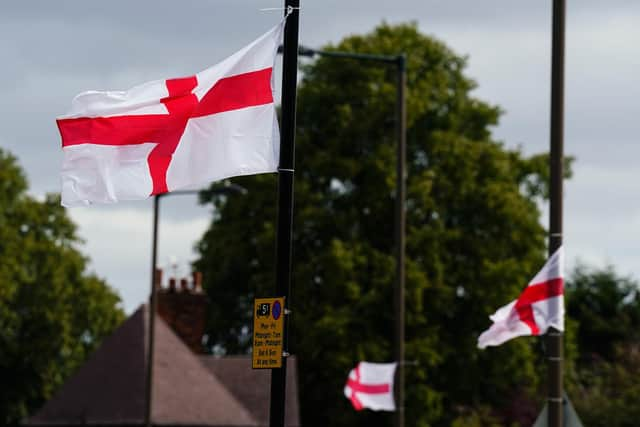
The past year has tested community relations. In some neighbourhoods, St George’s flags have appeared on lamp posts - not as a celebration of shared heritage, but as a tool for exclusion, sometimes promoted by anti-immigration campaigners. This has been painful for some, not least because many immigrants have long embraced that flag as part of their own British identity. The response from British Muslims has been to reclaim belonging. Several mosques have flown the St George’s flag themselves, a quiet reminder that Britishness should not be a closed club.
Elsewhere, protests outside the Seacroft hotel in Leeds - sparked by anxieties over migration and stretched public services - became a lightning rod for wider fears. For many Muslims, the scenes revived familiar suspicions: that they are seen as outsiders and that anger can spill over without warning.

Anti-Muslim sentiment has continued to rise. In the past year, according to the British Muslim Trust, 27 mosques were targeted between July and October alone. Women wearing hijab report harassment. Some Muslims quietly consider changing their names when applying for jobs. Other minority communities, too, are facing increased hostility in our polarised climate. These experiences accumulate, producing a background hum of anxiety that is exhausting to live with and corrosive to trust.
Amid protests and attacks, there were moments that revealed British values. Led by Christian leaders, interfaith volunteers in Leeds turned up to offer tea and cake to those protesting. This small gesture carried a deeper message: dialogue begins with humanity. Offering food does not mean agreeing with every grievance; it means refusing to let disagreement strip people of dignity. There are grounds for optimism. British Future’s research shows that most Britons want fair, managed immigration and reject divisive rhetoric.
Suspicion grows where there is economic pressure, poor housing, stretched services and a politics that rewards simplification. British Muslims often find themselves carrying the weight of broader failures. Sometimes they are questioned for speaking out about grave violations of international law abroad, including in Gaza; other times they are blamed for crimes committed by individuals who share an ethnicity or a faith. Many British imams - including myself - have been clear and consistent: we reject Islamist extremist ideologies. We said so publicly years ago and continue to do so. ISIS inspired extremists are not welcome in our communities - neither in life nor in death.
The same clarity applies to sexual exploitation. The crimes committed by street groomers, offenders of Pakistani origin have brought shame on the Pakistani diaspora and devastation to victims. They must face the full force of the law. Imams have been unequivocal in sermons and safeguarding work: protecting children and young people of all backgrounds is a religious and civic duty shared by all. What must be resisted is the attempt to put entire communities on trial, particularly by far-right groups that weaponise tragedy to sow division.
Rebuilding trust requires practical cooperation and tangible actions, as the Prime Minister in his Christmas message urged us to “do our bit” and “reach out". The Winter Food Drive organised by the Leeds Muslim Network is a case in point: hundreds of food bags were distributed across the city this Christmas. Muslims are not trying to ‘cancel’ Christmas; we revere Jesus and the Virgin Mary, and the Qur’an describes the birth, mission and character of Prophet Jesus. Many Leeds Muslims have spent years alongside interfaith partners at Rainbow Junktion café - cooking, cleaning, organising, and even helping cover some of the costs for Christmas lunches. These efforts happen quietly across the country.
Looking ahead to 2026, Britain will continue to change - demographically, economically, culturally. Alongside social cohesion, our communities must turn their shared energy to the climate crisis - an issue that cuts across identity and belief, and one that will shape the prospects of our children more than any culture war.
For Muslims, the hope for 2026 is not for special treatment, but for equal belonging: the confidence that children will be judged by their talents, not their names; and the assurance that British Muslims will be recognised as equal citizens, working together to build Britain. Belonging is created, not enforced. If we choose this path, we can move from weariness to confidence, from fragile coexistence to a shared future for all.
Dr Qari Asim MBE is senior imam at Makkah Mosque, co-founder of Leeds Muslim Network and governor at Leeds Beckett University.