
Hard to see how mass injections of weight loss drugs is a sensible solution - Andy Brown
It is a strange old world. Time was that the way to lose weight was to eat well, enjoy healthy exercise and avoid eating too much fatty, sugary or salty food. The fashion now is to hope you can get your weight down by injecting yourself with appetite suppressors.
There are many different reasons why individual people carry more weight than is good for their health. For some this is down to medical conditions or to the happenstance of genetics and in such circumstances few of us would deny access to reasonable medical procedures if they genuinely help.
There are also many aspects of our society that are pushing people to make choices that result in them being overweight and unhealthy from very early ages. Unless we get a grip on those fundamental causes it is hard to see how mass injections of weight loss drugs at public expense is a sensible solution.
Without changes in lifestyles then as soon as the drug injection stops the weight gain will start again. Without changes in the nature of the food that is on offer to us every time we go to the supermarket or the fast food takeaway it is hard to see how healthy eating becomes the norm.

There are over 46,000 fast food takeaways in Britain. Much of what is sold in them is drenched in fat, high in salt and sugar and is designed to encourage the consumer to come back for more. Go to the local supermarket and you will find shelf after shelf of pre-cooked food that can be shoved into the microwave. Some of it is excellent and well balanced. Much of it is not.
Back in 2013 researchers started looking into what was in many of those packaged meals. They discovered significant amounts of horse meat. The supply chains for the contents of each ready meal turned out to be extraordinarily complex. Raw materials were being sold and sold again so frequently that it was possible for condemned meat to end up on your plate after criminal gangs had juggled with the paperwork.
Since then a lot of work has been done on those supply chains but they are still complex and the nutritional value of what is sold to us is rarely clear. The information labels rely on a bewildering array of signs, symbols and claims that confuse more customers than they enlighten.
If we really want to get on top of an obesity epidemic, which has left our nation less healthy than it was under Second World War rationing, then surely the best way to achieve this is to get back to the basics of good food and good cooking.
Healthy eating habits start very young. We need primary school children to understand where food comes from because they have helped to grow some and we need them to understand how to prepare simple healthy meals. Some schools do a brilliant job at that. Others don’t and it is not easy for anyone to produce great food at the current average cost of under £2.50 for every school meal.
At secondary school it should be a normal part of the curriculum for all children to be taught the important domestic science of how to feed yourself without picking up the phone and ordering a takeout.
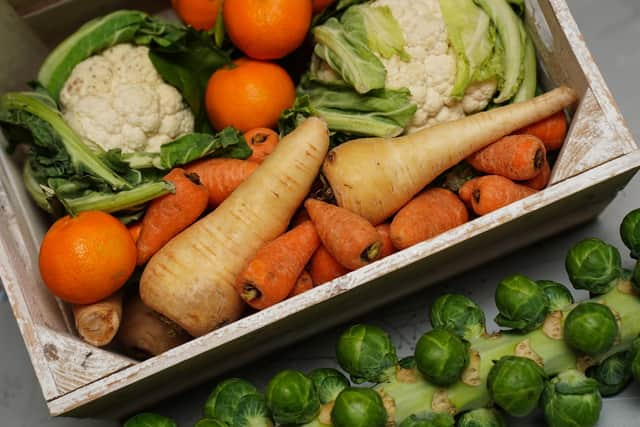
An important part of that teaching ought to be what the seasons make available in abundance and what they don’t. British farmers can produce a much higher proportion of the fruit and vegetables that we eat than they currently do if consumers changed what they buy with the season and took advantage of what is available locally at a reasonable price.
Even in season you are more likely to find a mango in a British supermarket than a locally grown gooseberry. There are more avocado ‘pears’ on the shelves in October than delicious varieties of British pears from local orchards.
For decades we have been losing those orchards whilst increasing the amount of food we ship or air freight in. Depending on that food from abroad is likely to be a very dangerous strategy in a world of increasingly unreliable climate changes and political instability.
At the moment we import almonds from California. Where they have severe problems with droughts and fires. We eat remarkably few hazelnuts which can grow high up on Yorkshire hills. We import many of our salad crops from Spain. Where the floods hit Valencia.
If we are going to get back to eating more healthy local seasonal food and less processed junk then governments need to be a lot tougher about regulating sugar, fat and salt content and insist on clear standardised information about what is healthy to eat. They also need to be much more proactive at financially supporting farmers to provide more food whilst also fostering the recovery of nature. Above all they need to change the attitudes of the young.
The new government has just scrapped plans to introduce a natural history GCSE at the same time as authorising wide use of weight loss drugs on the NHS. That is not exactly the most promising way to get us started on our journey to healthy food security.
Andy Brown is the Green Party councillor for Aire Valley in North Yorkshire.