
How necessity is reshaping women's roles - Dr Nirma Jayawardena
Entrepreneurship is often presented as a matter of ambition, innovation or personal aspiration. We tend to picture entrepreneurs identifying opportunities, taking calculated risks and building something new. But my research suggests a different reality for many women, particularly single mothers from South Asian backgrounds. For them, entrepreneurship is often not a choice at all. It is a response to necessity.
Across countries such as India, Pakistan, Bangladesh and Sri Lanka, many single mothers face a unique combination of responsibilities and constraints. Traditional gender expectations, limited access to employment opportunities and the realities of caring for children alone can leave them with few realistic routes to financial security. In these circumstances, entrepreneurship becomes less about pursuing a dream and more about ensuring survival.
While my research focuses primarily on South Asia, many of these experiences will feel familiar to members of South Asian communities here in Britain, including those living across Yorkshire. The specific circumstances may differ, but the challenge of balancing cultural expectations, family responsibilities and economic realities is not confined by national borders.
What makes these women's experiences particularly interesting, however, is not simply their resilience. It is what their stories reveal about how social and economic change happens.

Throughout history, some of the most significant shifts in gender roles have occurred when necessity collides with social expectations.
During the Second World War, millions of women entered workplaces in unprecedented numbers, taking on jobs and responsibilities that had traditionally been reserved for men. When the war ended, many were expected to return to their previous roles and make way for returning servicemen. Yet something fundamental had changed. The experience had demonstrated women's economic capabilities on a scale that could no longer be ignored. Progress was uneven and often frustratingly slow, but the assumptions underpinning society had begun to shift.
While the circumstances facing single mothers in South Asia today are very different, there are echoes of the same dynamic. Faced with economic pressure and limited alternatives, women are finding practical ways to support themselves and their families. In doing so, they are quietly challenging assumptions about who earns, who leads and who creates opportunities within a household.
Our recently published book titled Shaping Entrepreneurial Marketing: A South Asian Perspective examines how these women navigate entrepreneurship and the forces that shape their experiences. We found three themes emerging consistently: financial responsibility, social expectations and emotional resilience.
First, there is financial responsibility. For many single mothers, a business is not merely a source of income but a lifeline. Without the security of a second income, they often carry sole responsibility for housing, food, education and childcare. Their businesses may range from tailoring and handicrafts to food production, tutoring and online services, but they share a common purpose: providing stability in uncertain circumstances.
Second, there are social expectations. Many women continue to operate within cultures where traditional ideas about gender roles remain influential. Single mothers can face particular scrutiny or stigma. Yet it is often these very constraints that help foster adaptability, creativity and determination. Working within limitations requires resourcefulness, strategic thinking and the ability to make difficult decisions quickly.
Third, there is emotional resilience. Running a business while raising children alone can be exhausting. Many women are managing grief, isolation or social judgement alongside the everyday pressures of entrepreneurship. Yet business ownership can also provide something equally valuable: a sense of agency. Each new customer, completed project or financial milestone becomes evidence that progress is possible.
These findings are not only academic for me. They also resonate on a personal level.
I often think of my own mother, who found ways to contribute financially and support her family despite significant challenges. Like many women of her generation, she did what was necessary. Looking back, I can see that what appeared at the time to be individual acts of perseverance were also part of a broader story about changing expectations and expanding opportunities for women.
Similar stories can be found in many families, including those within South Asian communities here in the UK, where successive generations have often navigated the delicate balance between tradition, economic necessity and social change.
This is why I believe it is important not to view the experiences of single mothers solely through the lens of hardship.
What we are witnessing is also a process of adaptation and, potentially, transformation.
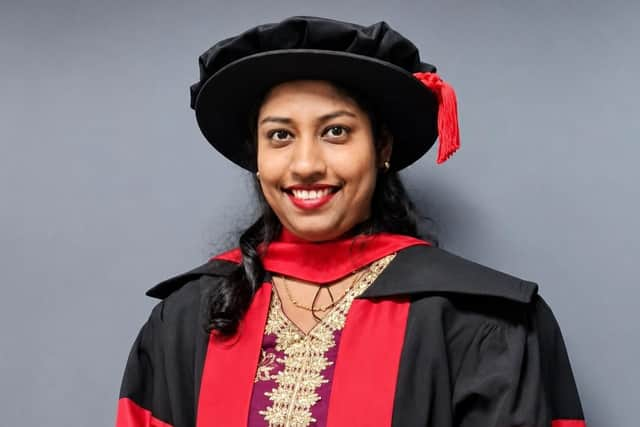
Dr Nirma Jayawardena is assistant professor from the School of Management at the University of Bradford.