
How the centre-right can leverage AI to start a new chapter - Ryan Shorthouse
The Prime Minister’s decision to call a summer election was eccentrically selfless. There has been much political and economic uncertainty in recent years, causing plans to be paused. Just look at the housing market, with transactions down significantly. It feels like the country has been on standby.
Bringing the election forward from the December default, then, was in the national interest. Finally, it seems we are about to get some more long-term clarity and certainty from government, which has been sorely missing over the last decade.
Considering the vehement anti-Tory mood among the wider public, which is only likely to have worsened the longer they stayed in power, Rishi Sunak probably helped the future fortunes of the Conservative Party too, albeit only a little. Some seats have probably been saved in the bloodbath.
The real loser in all of this, really, is Rishi himself. He has cut his time short as Prime Minister, depriving himself of the opportunity to build a bit more of a decent legacy. He won’t be able to take credit for any generational smoking ban or a new Advanced British Standard, reforms that were part of his long-term vision for the country.
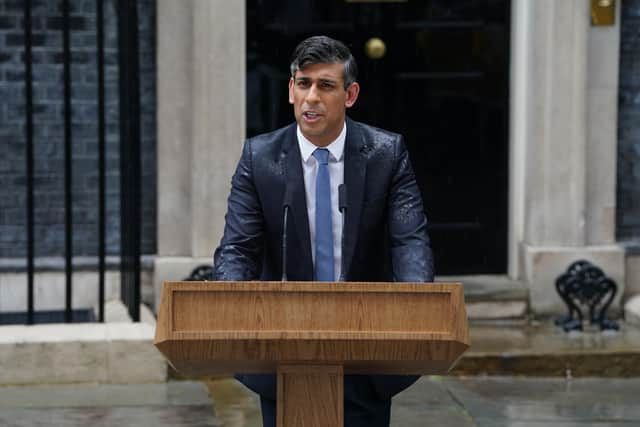

Yes, we are seemingly at the start of some more positive trends around the economy and immigration. Inflation is down. Growth is returning. Net migration is falling. But why not ride the wave a little longer? Reinforce the argument that it was he who planted the seeds of the break from Britain’s malaise, rather than letting a new Labour government take the credit.
So, why did he go early? The public has had no explanation. They did in 2019: to get Brexit done, after months of parliamentary shenanigans. They didn’t in 2017, and look at what happened to Theresa May.
The suspicion is that the PM calculated that things weren’t actually going to get significantly better - in fact, there might be some difficult decisions and political traps that he’d rather avoid this autumn. Hardly a vote of confidence in continuing Conservative Government.This was a bad starting point, coupled with a bad launch. “Things can only get wetter”, indeed. The campaign has exposed Rishi Sunak’s political short-sightedness and inexperience.
With nearly 100 Tory MPs stepping down, many veteran ministers, we have reached the end of an era. The heady days of the Coalition - with exciting and effective centre-right policy agendas being executed, from free schools to Universal Credit - seem a very long time ago. The Tories will need to rediscover that reforming zeal and good governance quickly, if they are going to have the opportunity to hold red boxes again anytime soon.
The centre-right should see the potential in generative AI, which is starting to transform the way we learn and work. As with other technological revolutions, there will be profound challenges – especially redundancies and misinformation – that will require thoughtful policies and regulations. But, overall, it is likely to unleash a wave of innovation and productivity, both within the private and public sectors.
There are two positive possibilities for centre-right politics from this. In the years ahead, an ageing society is necessitating increased taxes and spending. AI could be a very helpful tool for mitigating both, by bolstering our anaemic growth and creating substantial efficiencies in our bloated state. AI, then, will make the centre-right socioeconomic model more credible.
Ryan Shorthouse is the founder and executive chair of Bright Blue.