
How we risk making the same mistakes that led to financial crash in 2008 - Andy Brown
When you look at history there are some events that seem comical in the extent of the stupidity that people displayed at the time. It beggars belief that anyone could have been so daft as to spend the equivalent of the cost of a house on a purchase of a single tulip bulb.
Yet that is what people did during the height of the speculative fever that took hold in Amsterdam in the early 17th century. Before reality set in and the price collapsed.
It is rather harder to look at some of the speculative extremes of our own times and know for certain which ones have feet of clay. All we can know for sure is that booms and bust do immense damage.
Before the financial crash of 2008 the British national public sector debt stood at only 35 per cent. Then the government stepped in to bail out private sector speculators who had paid themselves huge bonuses for gambling with other people’s money. When the dust had fully settled five years later the national debt had risen to 80 per cent.

It is important to remember this much forgotten fact. The main reason why we are all paying more in interest payments than we do on defending our nation is not that teachers or nurses suddenly became more greedy and we spent too much on their pay. It is because investment bankers made bad decisions that pushed the entire financial system to the brink of collapse.
The people who told us inefficient industries had to go to the wall and shouldn’t be bailed out by the nanny state had to beg the government to rescue them. The public got a long hard bout of austerity as its reward.
To put this into context the crash was a bigger hit to the nation’s finances than Covid. A major health pandemic which kept us shut up at home for a couple of years put around another 20 per cent onto our debt burden or roughly half the cost of the failure of the financial traders. Few people remember that being a financial trader is the only real job that Nigel Farage has ever held.
In such circumstances it is rather important that we think hard and long about where the next financial crash might be coming from and what we can do to prevent it or to limit the damage. We seem instead to be hell bent on copying the Dutch in the 17th century.
To give those Dutch their due, they were at least buying something physical. At the moment there are people buying bitcoins which consist of absolutely nothing other than electronic counters stored on a computer. People are buying the hope that other people will also place their hope in the value of bitcoin.
The only actual use of a bitcoin account is to store money in places where the government can’t find it and to allow that money to be transferred around the world in secret. Except it is not money backed up by any government but a form of privately generated money created by people who have convinced others that burning enormous quantities of fossil fuels to mine bitcoins is a good use of the world’s limited resources. The potential for such a fragile edifice to collapse is enormous.
Ways of preventing or limiting another calamity need serious exploration. A simple tax on anyone making a financial speculation such as buying bitcoin was much discussed in the aftermath of the 2008 financial crash. The idea has now gone out of favour because it requires international collaboration and that is at a premium right now.
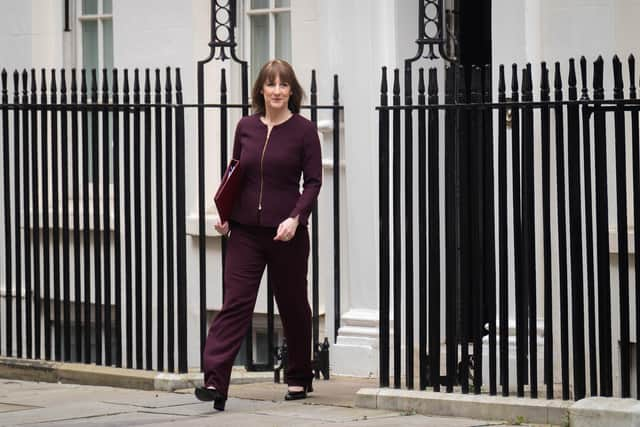
Even some of the measures that were put in place as a result of the horribly damaging speculative crash of 2008 are now being dismantled. Rachel Reeves has started talking about the importance of freeing up the city of London and is busy “loosening” “constraints”.
She hasn’t yet gone as far as Gordon Brown and started promising us that her genius at managing the economy had put an end to the cycle of boom and bust. Yet she is gambling with our futures every time she decides to ditch some of the important controls that were put in place after the last crash.
You cannot eat a bitcoin or live within it or use it to help you live your life. It is possible that it is indeed a new and magical way of making money that will last long into the future and that privately invented wastefully produced artificial money will replace government backed currencies.
It is also possible that genetically modified pigs could fly. The whole edifice of complex financial instruments and obscure bitcoin accounts could come crashing down in an even bigger and more dangerous panic than the one many of us lived through in 2008.
If we want our country to prosper in the long term then we might do better to look to support our farmers, our industries, our constructors rather than our speculators. When times are hard the fundamental and necessary parts of our economy and our society come into prominence. We would do well to make sure they are strong and secure against an uncertain future.
Andy Brown is the Green Party councillor for Aire Valley in North Yorkshire.