
If we lose grouse shooting, we risk losing wildlife, livelihoods and the character of our uplands - Alex Farrell
Yorkshire’s uplands are among the most iconic and ecologically rich landscapes in the UK. From the sweeping heather of the North York Moors and beyond, these places are not untouched wilderness - they are living, working landscapes, shaped for generations by those who care for them. And at the heart of this stewardship lies something that’s now under threat: sustainable grouse shooting.
On Monday, MPs will gather in Westminster Hall to debate a petition, driven by campaign group Wild Justice, calling for a ban on grouse shooting. The petition, built on a wave of online clicks, presents grouse moors as environmental villains. But here in Yorkshire, we know the picture is far more complex and far more rooted in reality.
Grouse shooting in Yorkshire is not the pastime of a privileged few. It supports a fragile rural economy and underpins vital land management practices. In many of our communities, it provides jobs, boosts local businesses, and helps to maintain landscapes that people come from across the world to walk, cycle and enjoy.
Well-managed moorlands are biodiversity hotspots. Curlew, lapwing, golden plover - species in alarming national decline - breed successfully on keepered moors, where predator control gives them a fighting chance. Studies have shown breeding densities of waders to be significantly higher on managed moorland than elsewhere.

The contrast is clear when management stops. In the Berwyn range in Wales, where grouse shooting was abandoned, bird populations collapsed. In Yorkshire, where management continues, birdlife thrives. Controlled cool burning, when done responsibly, reduces wildfire risk and promotes new growth in heather, sustaining a range of upland species.
Then there’s the economy. Grouse moors across England and Scotland support around 3,000 full-time equivalent jobs - many of them in Yorkshire. Gamekeepers, beaters, gundog trainers, cooks, fencers, hospitality workers and local suppliers all benefit. Seasonal work on a moor can mean the difference between survival and closure for pubs, shops and B&Bs in isolated communities.
On a single shooting day, up to 40 local people may be employed. And the money stays local. Over £50m is spent each year on moorland management and support services. In parts of Yorkshire where the school, post office and pub have already gone, this is one of the few reliable sources of income and opportunity.
Grouse are not artificially reared or released. They are wild birds - and they are eaten. This is sustainable, locally sourced food with a deep connection to place and tradition.
And let’s not forget: grouse moors are not closed off to the public. They form part of national parks and open access land.
Grouse moors are teeming with life and are home to a diverse range of species. Their management protects some of the most important landscapes in the UK.
The debate in Westminster must be guided by evidence, not emotion. Yorkshire’s moors are too valuable - ecologically, economically and culturally - to be sacrificed to online campaigns that ignore the facts on the ground.
If we lose grouse shooting, we don’t just lose a rural tradition. We risk losing wildlife, livelihoods and the character of our uplands.
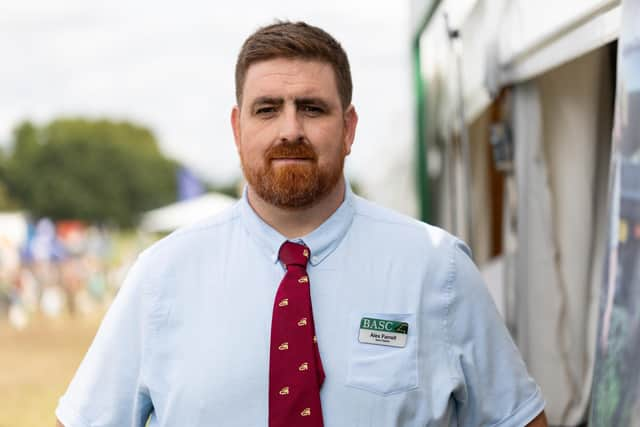
Alex Farrell is head of uplands at the British Association for Shooting and Conservation (BASC).