
I’m excited that a new generation might come to love Wuthering Heights like I did - Victoria Finan
The best time to read Wuthering Heights, I’m afraid to say, is probably behind you. I know this because - without wishing to sound smug - I read it at the very best possible time. I was nearly 18 and most of my reading in those days was done on the 415 bus between Selby and York.
My copy of the book was cheap and flimsy because I preferred spending my hard earned wages from my Saturday job at Topshop on booze. Most importantly, my heart had just been broken for the very first time.
It was, of course, the end of the world, in the way that being dumped at 17 has been the end of the world for millions of teenagers since time immemorial. And in between angsty phone calls to friends and cryptic MSN status updates (if you don’t know what MSN was, it was a noughties cross between Facebook and WhatsApp), I found Emily Bronte’s Wuthering Heights.
If you haven’t read it, you might be dimly aware of the two main characters, Cathy and Heathcliff. The pair - raised together in the crumbling hall, Wuthering Heights - have a mutual obsession with each other which destroys both their happiness and that of many around them.

Aged 17, their doomed romance seemed to me to be the height of what it meant to be a human. What was the point in life if I couldn’t be loved in an all-possessing way, like Heathcliff loved Cathy?
When - and I must warn here, despite the book being published while Queen Victoria was on the throne, I’m about to spoil a plot point - Cathy dies, Heathcliff moans in agony. “I cannot live without my life! I cannot live without my soul!” I genuinely fantasised about having that quote tattooed on my ankle. Thank god my frontal lobe cortex developed in time to talk myself out of it.
From the vantage point of a 17-year-old girl, it was like Emily Bronte had reached her hand through the book to take mine, just as Cathy’s smashes through the windows of Wuthering Heights.
I’m not 17 any more, but I still love Wuthering Heights. It is a wild book, in every sense of the word. Far from being a conventional romance, the plot veers from passionate obsession to vengeance. Like the boxed in narrative of the book, it’s complicated. I love it because on every re-read, it takes me back to being that girl, one I remember so fondly even though my age has doubled.
But I also love it now because it’s not the uncomplicated love story that it was to me at 17. Now it’s a dizzying exploration of revenge, ownership, anger, servitude, landscape. There’s love, yes, but it’s also a book about hatred.
It’s an imperfect book - not nearly as ‘neat’ from a plotting perspective as Jane Eyre, written, of course, by the older Bronte sister Charlotte. I like to imagine that Emily wasn’t quite sure what she was doing, but that her pen wrote what she needed it to write in a kind of fever dream.
And now it’s set to capture new fans via the film adaptation released later this month. So far, I’m nervous. Director Emerald Fenell’s last film, Saltburn, was perverse and gothic and frankly bonkers, so I think she’ll capture the spirit of the book well. The landscapes are set to be stunning, with filming having taken place across the Yorkshire Dales. I’m also excited for the soundtrack, masterminded by Charli xcx. If ever a book fits her vibe of insouciance mixed with glamour, it’s Wuthering Heights. Cathy Earnshaw is, in my eyes, the original ‘brat.
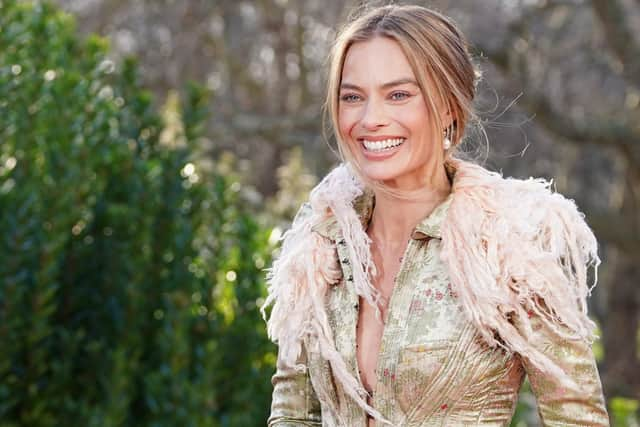
But, famously, adaptations of Wuthering Heights are so hard to get right (though, for my money, Emma Rice’s stage production at York Theatre Royal a few years ago came as close as it gets). It’s too complicated, there’s a death every five pages, and half the characters have virtually identical names. And I feel very rude in saying this, but given I’m the same age as Margot Robbie, who stars in the film, I hope it’s forgivable to point out that she’s almost 20 years older than Cathy’s character in the book, and that matters. Lovestruck teenagers do and say awful things in ways we can forgive, in a way that we can’t of those in their mid-thirties. I should know.
But for all my reservations, I’m excited that a new generation might come, via the film, to the book. That they will choose to inhabit Emily’s strange, twisted world. That she will, like she did for me, reach out from 1847 and grab their hands to give them permission to be wild, and passionate, and angry. That maybe, like I’ve done so many times since, they’ll decide to visit Haworth to see for themselves the landscape that inspired such a poetic tale.
I don’t think I could have loved Wuthering Heights half so much now if I hadn’t read it for the first time then, and I’m so jealous of anyone who gets to experience it for their first time. The best literature not only reflects the way we think, it shows a mirror up to the way we feel. And if any of its new readers come to it heartbroken by the ends of their first loves, as I did all those years ago, so much the better.
Victoria Finan is social affairs correspondent at The Yorkshire Post.