
Intensive Supervision Courts being rolled out to Leeds to crack down on repeat offenders - Jake Richards
Ask people what crime looks like, and they might talk about smashed shop windows, stolen bikes, or anti-social behaviour. Behind every incident a victim whose sense of safety has been ripped away. Most of them would be shocked to learn that so much of this crime is caused by the same offenders, again and again.
Across the UK, nearly 80 per cent of offenders are reoffenders. According to the most recent data, offenders have already committed an average of around 20 offences, and in Leeds that figure rises to 23.
This endless cycle of crime causes misery for the residents, businesses and communities left paying the price.
That’s why this government is bringing a new tough US-style court to Leeds to crackdown on repeat offenders and deliver safer streets.
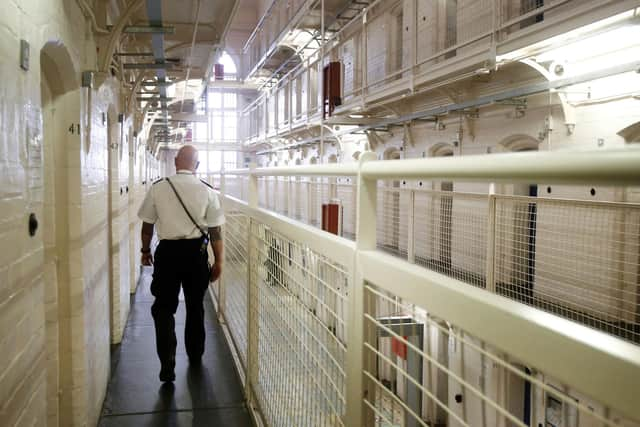

Intensive Supervision Courts, or ISCs, are already making a difference in Birmingham, Bristol, Liverpool and Teesside, and soon they will do the same for the people of Leeds.
We’re doing this because the current approach of jailing someone for a few months isn’t working. There isn’t enough time to rehabilitate them or train them for a job. These offenders come out just as likely to commit a crime, and with even fewer options. This Government is putting a stop to the cycle.
ISCs combine tough supervision, with consequences if offenders don’t comply. They help offenders change course, with strict monitoring and regular meetings with the same Judge, who tracks their progress and holds them responsible for their actions.
Crucially, these courts tackle the root causes of offending. Offenders are forced to confront the issues that led them to commit the crime and pay back their debt to society.
But if they have mental health issues or are addicted to alcohol or drugs, they also get the help they need. For some offenders, this is the first treatment they will have ever had.
These courts do more to help offenders turn a page, but they aren’t a soft option. There are firm requirements and restrictions on offenders, and anyone who fails to play by the rules can be sent straight to prison.
These courts will only be used for persistent lower-level offenders, whose crimes are linked to drink, drugs, or traumatic experiences. They won’t be an option for the most serious crimes including gun violence and sexual offences.
But for most offenders, it makes a massive difference, and most start to turn their lives around. Last year, two thirds of offenders hadn’t breached the conditions put on them, and people with a long history of drug use stayed clean more than two-thirds of the time.
This is partly down to the relationship between ISC judges and the offenders they manage. While judges provide firm direction and support, offenders take pride in their progress and report not wanting to let their judge down.
That’s why the government is investing £9m to more than double the number of ISCs across England and Wales. New courts will be opening in Cambridge, as well as in Leeds, Newcastle, Swansea, and London.
The Leeds Court will specifically focus on female offenders holding them to account while giving them the tools they need to turn their lives around.
Alongside a massive boost in funding for probation, and the biggest expansion of electronic tagging in British history, this new court will make Leeds’ streets safer.
Jake Richards is Minister for Sentencing, Youth Justice and International Justice.