
Labour has missed its opportunity to become ‘Blue Labour’ and cut off Nigel Farage’s Reform - Cyril Davydenko
Keir Starmer’s failure to confront the Left reveals a deeper problem: he has not unified his party around a vision strong enough to take on Reform. The PM’s decision to suspend Neil Duncan-Jordan, Brian Leishman, Chris Hinchliff, and Rachael Maskell — and most recently Diane Abbott — merely confirms that any attempt to steer Labour Rightward shall face insurmountable resistance from within his own ranks.
Blue Labour has always been an option for Starmer. In fact, in the run-up to, and after, the 2024 election, many commentators described Starmer’s politics as marking the rise of the Blue Labour faction within the party. Morgan McSweeney, Starmer’s long-time ally and Chief
of Staff, is the best example of Blue Labour's influence, as he is said to be in regular communication with Blue Labour’s founder, Maurice Glasman. Alas, the Blue Labour moment has slipped away.
Conceived as an anti-neoliberal reaction to the 2008 financial crisis and the Blair/Brown New Labour era, Blue Labour stresses social conservatism, patriotism, moderate socialism and scepticism towards globalism. It seemed as though, on the eve of the 2024 election, that Starmer was moving in that direction.
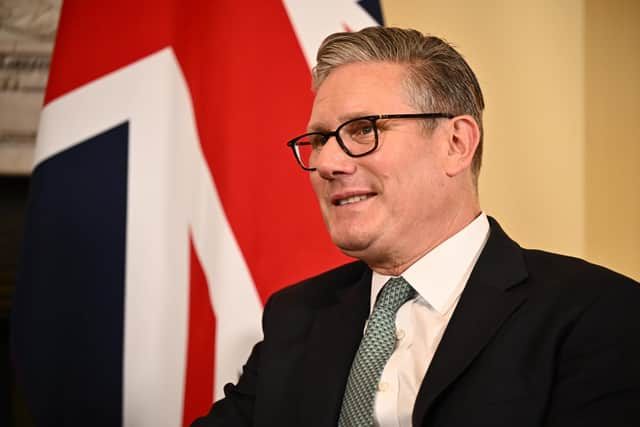

In reality, Starmer never committed to the Blue Labour vision and instead half-heartedly subscribed to several New Labour dogmas. His Government’s attempts to follow Tory fiscal rules, continued adherence to a liberal-internationalist foreign policy and gambling its political fortunes on hopes of economic growth show that the Labour Party remains stuck in the politics of the 2000s.
This is perhaps unsurprising, given that Labour’s frontbench is composed largely of Blairites rather than Blue Labour figures. Predictably, repeatedly asserting that Labour “has changed” did not amount to a coherent vision that the party can unite under.
The recent backbench rebellion over the welfare bill has made it even less likely that Blue Labour will become truly ascendant. The rebellion has shifted the centre of power within the party towards the more socially progressive, traditional Labour Left. This is further confirmed by the Government’s agreement to amend the Planning and Infrastructure Bill following criticism from now-suspended Chris Hinchliffe earlier this year
Notably, two of the suspended MPs are members of the Socialist Campaign Group of MPs. Rachael Maskell — who served in Jeremy Corbyn’s shadow cabinet — is the most prominent name on the list of suspension; her leadership of the rebellion clearly demonstrates that the Labour Left can still mobilise the party effectively and defeat the Government’s line.
Whilst it may seem that Starmer can do without the most radical MPs, it is clear that the rest of the party shall not stand idly by, as three Labour campaign groups have signed a petition objecting to the suspensions.
The greatest obstacle to a Blue Labour agenda, however, comes not from within Labour itself, but from the success of Reform UK. Blue Labour has itself long emphasised the need to take the concerns of the conservative working class seriously. Ten years ago, somewhat presciently, Glasman called on Labour to engage with UKIP voters to prevent UKIP from siphoning off its traditional working-class supporters.
Unfortunately for Glasman and his followers, Labour’s former voting base is unlikely to place its trust in a damaged Starmer Government even if it were to adopt the most popular Blue Labour policies. Nigel Farage’s nationalist credentials are far more longstanding and convincing than Starmer’s. Moreover, Farage’s relatively successful leftward pivot on welfare policy is likely to entrench his appeal further amongst the working class.
In this regard, the British political landscape is starting to look far more European. Continental right wing parties are more conservative on social issues and immigration, but on economic matters, they are far more centrist if not left wing. Whilst Starmer still has four years left to right the ship, as of now Reform UK appears to have a firm grip on working-class voters.
In fact, wealthier Brits are more likely to vote for Labour than those earning under £30,000. Consistent polling and the recent local election results suggest a deep disillusionment and lack of trust in Labour - something Starmer will struggle to fix, no matter which direction he tries to take the party next.
Blue Labour might have been right all along to warn against ignoring concerns of the working class and a more consistent and sincere adherence to its philosophy may well have yielded the desired electoral results.
However, a year into this Parliament, Starmer is facing the consequences of his indecisiveness. He may think that by suspending the rebellious MPs may re-assert his control, nevertheless, no amount of disciplining will fill the ideological void at the heart of his government nor is it likely to pose a serious challenge to Farage.
Cyril Davydenko is a research analyst at Bright Blue think tank.