
Mental health must remain an integral part of the care given to all pregnant women regardless of colour or creed - Gwyneth Munjoma
This week is Black Maternal Mental Health Week, an opportunity to look more closely at why black women are still being let down in the provision of maternity care, where discrimination continues to affect the quality of care they receive, and what needs to change.
Women need to feel listened to, informed, and safe at every stage regardless of the colour or creed. This year's theme, Joy, Justice, Journey, feels particularly relevant. Joy is what women look forward to when they begin their pregnancy journeys; justice means being treated justly, fairly and taken seriously. The pregnancy journey matters because maternity care does not begin and end in the delivery room. It is a lifelong experience.
Having worked as a midwife before moving into medical negligence law and having navigated healthcare services myself as a black woman, I have seen how differently black women across the board do experience pretty much the same stereotypes. It is sad, from my own observations, that black women do not enter maternity care on an equal footing with their white counterparts.
When I worked as a midwife, I noticed assumptions being made about women from certain racial, cultural, or religious backgrounds, including how much they were assumed not to understand pregnancy or motherhood related issues. That mostly meant that information given to them was watered down: what I have come to call ‘Mickey Mouse information’, an over-simplified explanation that looks more like advising a child than a mature woman who has a fair understanding of her body and maternity care needs.

Donna Ockenden's Nottingham Maternity Review, published this June, heard evidence of black women being treated differently and stereotyped as "too loud" or "too demanding", while Baroness Amos's National Maternity and Neonatal Investigation has put racism and discrimination firmly on the patient safety agenda. MBRRACE-UK’s new report shows how serious those inequalities remain: Black women are still around 2.7 times more likely to die during pregnancy or shortly afterward than white women.
Suicide remains the leading cause of maternal death between six weeks and one year after pregnancy, while new research from the University of East Anglia suggests around one in 20 mothers develop childbirth-related PTSD. For women already dismissed or unheard in pregnancy, those effects can last long after they leave hospital and can be lifelong. Mental health must remain an integral part of the care given to all pregnant women regardless of colour or creed.
Better care starts with communication. All women need clear information about what is happening, their choices and the risks, and staff need to ensure that that information has been understood rather than assume it has.
The duty of candour must be fully exercised when care goes wrong as is expected of all healthcare professionals. Families need a clear explanation of what happened, what may have gone wrong, what is known, what is still being investigated, and what options remain.
There must be dedicated training to support staff in recognising the specific stereotypes that can and do affect black women in maternity care.
Black women should not have to become experts in maternity care in order to receive safe and fair care. They should not have to continuously fight to be believed. They should be given the same clear information, the same respect and the same opportunities to be involved in decision making about their care as anyone else.
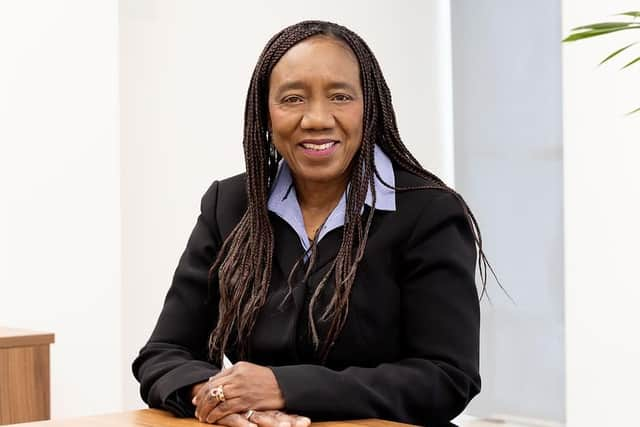
Gwyneth Munjoma is a maternity negligence specialist at Tees Law.