
Mental health support should be a guaranteed part of end-of-life care everywhere - Iqbal Mohamed
When we talk about mental health, we often picture everyday stress, anxiety or the long waits for talking therapies, but there is a group of people whose mental health needs are profound, urgent and too often invisible: people living with a terminal illness.
That is not a topic that we often think about in the grand scheme of mental health provision, but the need for emotional and mental support in that medical situation is momentous.
Mental health services and support in our country are at breaking point. More than 1.5 million adults in England - not necessarily suffering from a terminal illness, but just adults generally - are waiting for mental health support and treatment, and more than 500,000 children.
Patients are eight to 12 times more likely to wait for mental health treatment than they are for physical health support. While waiting, approximately 42 per cent of patients deteriorate and seek further assistance through A&E and other NHS services, increasing the burden on our already stretched NHS.

For people with a terminal illness, the situation is even grimmer and bleaker; it brings fear, grief, uncertainty and, for many, isolation. Those feelings affect not just the person who is diagnosed, but partners, children and family members, who carry the emotional weight of uncertainty and the news they have just received.
Yet mental health support at the end of life is still inconsistent, still underfunded and still far too dependent on location and charity rather than on rights and entitlements. Right now, access to mental health support at the end of life is a postcode lottery - one of the most troubling parts of this whole issue. In some areas, people can receive specialist psychological support, family counselling or bereavement services as part of their palliative care; in other areas, those services simply do not exist.
Whether someone receives help often comes down to the resources of their local hospice, the strength of its fundraising base or the priorities of an overstretched local health system.
That creates a deep and unacceptable inequality. Families in the most deprived communities - such as those in my Dewsbury and Batley constituency and in wider Kirklees - already at higher risk of poor health outcomes, are often those with the least access to emotional and mental health support at the end of life. Wealthier areas can sometimes raise the funds to keep services going; poorer areas cannot.
A person’s final moments should not be shaped by how affluent their postcode is or whether their local hospice can afford another counsellor that year. If we are serious about dignity in palliative care, then we must be serious about ending that inequality. Mental health support should be a guaranteed part of end-of-life care everywhere, not a privilege that depends on geography or charity fundraising.
People with terminal illnesses need more than medication and pain management; they need psychological support to process what is happening to them. They need space to talk about fear, leaving family behind and loss of identity. Families - often the forgotten grievers - need support too. No one should spend their final months fighting for the counselling that might help them face the end of life with peace rather than fear.
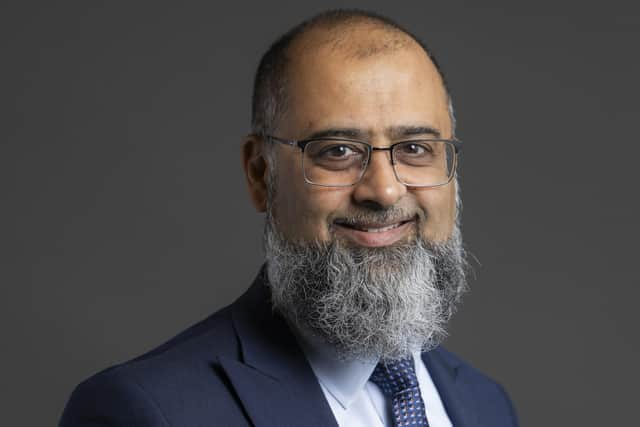
An abridged version of a speech by Iqbal Mohamed, Independent MP for Dewsbury and Batley, in Parliament.