
My message to ethnic minority communities is simple: remain confident in your place in British society - Dr Mohammed Ali
Over recent weeks, I have received a growing number of telephone calls and messages from people who are genuinely frightened about their future in Britain. Some are asking whether they should prepare to leave the country. Others fear that their children and grandchildren, many of whom were born and raised here, could one day be forced to leave.
Having lived in Britain for almost 60 years and spent much of my working life promoting equality, integration and opportunities for disadvantaged communities, I find this deeply troubling.
Recent reports of offensive remarks about ethnic minority communities have understandably caused alarm and should be challenged. However, we must distinguish between political rhetoric and the laws that govern our country.
Anti-immigrant hostility is nothing new, but neither is immigration itself. Romans, Normans, Huguenots, Irish labourers, Jewish refugees and, more recently, people from the Caribbean, Africa and South Asia have all contributed to the country Britain has become.
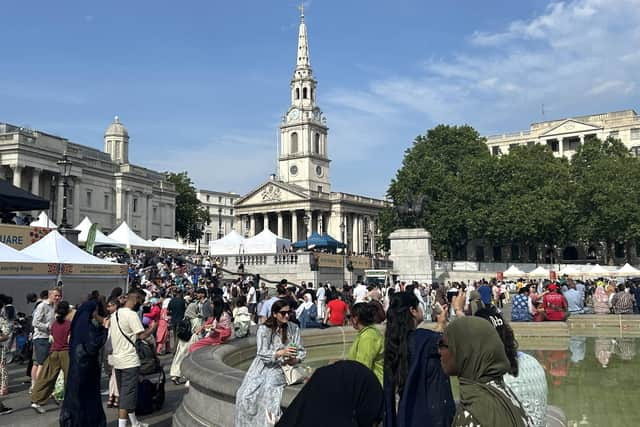

This longer historical perspective is important today. Jewish and other immigrant communities faced considerable prejudice during the nineteenth and early twentieth centuries. In the 1960s, Enoch Powell’s inflammatory rhetoric created widespread anxiety. During the 1970s, the National Front marched through British streets, spreading hostility towards Asian and Black communities. Similar movements have emerged in subsequent decades.
Yet Britain continued to change and become more diverse. Successive generations of immigrants established businesses, staffed hospitals, worked in factories, drove buses and trains, built homes and places of worship, served in the Armed Forces and entered universities. Their children and grandchildren became teachers, doctors, nurses, engineers, entrepreneurs, scientists, councillors, MPs and leaders in almost every part of British society.
I arrived in Britain from Pakistan in 1969, aged 12. I have witnessed prejudice and discrimination, but I have also witnessed remarkable progress. Today’s Britain offers opportunities that would have seemed unimaginable when I first arrived. We should never forget how far we have come.
Britain depends significantly on migrant workers in social care, hospitality, transport, construction, technology, agriculture and many other sectors. The National Health Service, in particular, could not function as it does without people who were born overseas or whose parents came here from other countries.
We also face a demographic challenge. As our population ages, Britain needs sufficient numbers of working-age people to sustain economic activity, pay taxes and help finance pensions, and healthcare.
Immigration is not the only answer. Britain must also invest much more effectively in education, apprenticeships, vocational training and productivity. We must help people already living here to develop their skills and participate fully in the economy. But pretending that migrants are unnecessary ignores economic and demographic reality.
One of my concerns is the growing influence of sensational material circulating on social media.
There are at least some encouraging signs that the values uniting British people remain stronger than the issues dividing us. Writing in Third Sector, Adeela Warley, Chief Executive of CharityComms, highlighted research by Public First suggesting that people from different political, social and regional backgrounds continue to share fundamental values such as fairness, hard work and community.
These are precisely the values that generations of immigrant families have embraced and contributed to Britain. We should build on what unites us rather than allow those spreading division and fear to define our future.
Britain has strong equality legislation protecting people against discrimination based on race and religion. And yet I know that some families are discussing whether to return to Pakistan, Bangladesh or other ancestral countries. That is a personal decision, but it should not be made out of fear generated by political rhetoric or social media.
For many second-and third-generation families, Britain is the only home they have ever known. Their lives, education, friendships, careers and futures are here. Where exactly are they supposed to ‘go back’ to?
My message, particularly to British Muslim and other ethnic minority communities, is simple: remain confident in your place in British society. Become more involved in it. Register to vote. Serve as school governors, magistrates, trustees and councillors. Join professional bodies and community organisations.
Integration does not mean abandoning our faith, culture or heritage. It means participating fully in the life of the country while respecting the rights and identities of others.
Dr Mohammed Ali OBE is founder and chief executive of Bradford-based QED Foundation.