
Nationalisation of British Steel is the right step to take but questions need to be asked of foreign ownership in the future

The independent assessor will decide whether former Chinese owner Jingye will receive any compensation for the nationalisation of British Steel. The Business Secretary said it may be the case that Jigye walks away with nothing. A lot of people will agree with the sentiment of Reform UK’s Richard Tice that “compensation should be no more than £1”
It is Jingye that ultimately failed British Steel and Tice rightly says “Taxpayers should not be rewarding failed ownership”.
Questions have been raised about the dangers of allowing strategically important assets to fall into the hands of foreign ownership.
The Government was right to take British Steel into public ownership “to protect the UK’s national interest”.
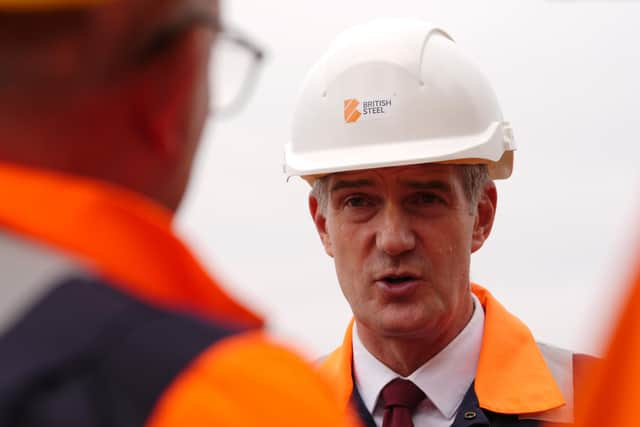

In an increasingly volatile world, Britain would have been left vulnerable had the Scunthorpe blast furnaces been snuffed out.
While the Government deserves credit for reacting as it did, Parliament was recalled on a Saturday in April last year to approve special measures legislation to keep the plant open, before British Steel was nationalised under the Steel Industry (Nationalisation) Act 2026. The new law allows ministers to transfer steel businesses’ shares or property into public ownership.
The question is how do we as a nation now stop strategically important assets falling into the hands of negligent foreign ownership. Allowing foreign companies to invest in Britain should never be discouraged but there are certain parts of the economy that cannot be left to just the markets.
Far more rigorous fit and proper ownership tests need to be put in place when it comes to industry assets that Britain’s future depends on.
For too long there has been a complacency when it comes to steel security.