
NHS dentistry is not merely under strain, it is collapsing from within - Daxa Patel
There are few pains as quietly devastating as toothache. It is a persistent, gnawing discomfort that erodes sleep, dignity, and the ability to face each day with any ease. Yet across the United Kingdom, thousands endure this suffering because they cannot find or afford NHS dental care.
Recent reporting has exposed what many families have long suspected: NHS dentistry is not merely under strain; it is collapsing from within. This is not an abstract policy issue for me. My nephew is a maxillofacial consultant, one of the many clinicians who entered dentistry driven by a profound sense of vocation. Like him, most dental and facial specialists are motivated by a desire to restore function, confidence, and quality of life. They are not in it for glamour or profit; they understand deeply the vital connection between oral health and overall wellbeing. Yet the system in which they work is increasingly stacked against both practitioners and patients.
The queues tell a grim story. Scenes once unimaginable are now commonplace: hundreds lining up from dawn to register with an NHS dentist. This is not an isolated incident but a symptom of a national collapse.
In England and Wales, reforms are being introduced that are described as the most significant in two decades. Yet the reality is more uncomfortable. Dentistry has been drifting towards crisis for years; the pandemic merely accelerated a decline already underway.
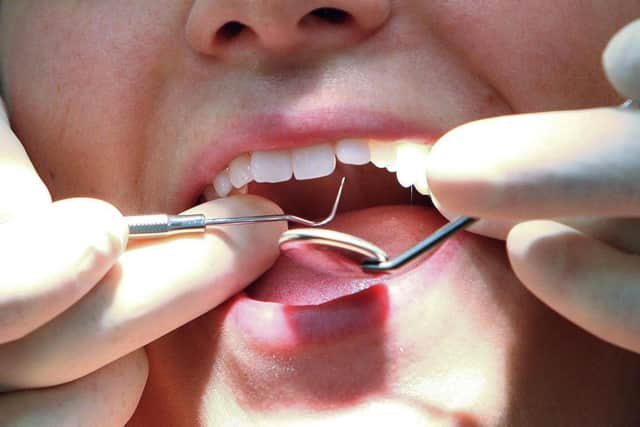

The number of NHS root canal treatments has halved over the last decade not because fewer people need them, but because dentists cannot afford to provide such care under the current NHS contract. Imagine a dentist telling a patient: ‘I can save your tooth, but only if you go private. Otherwise, we will have to remove it.’ This is the reality confronting clinicians.
At the heart of this crisis lies the much-criticised UDA (Units of Dental Activity) contract. Dentists are paid not for the time or complexity of their work but receive the same number of points whether performing a single filling or a complex course involving multiple crowns and root canal treatments. This system penalises those who take on patients with the greatest needs, the very people the NHS is intended to protect.
The British Dental Association has long condemned the contract as “absurd” and “unfit for purpose.” Private dentistry now accounts for nearly 70 per cent of the market, a stark rise from just 14 per cent in 1990. This shift is not driven by greed but by survival. These practices simply cannot remain open on NHS rates.
The consequences are severe. Patients face emergency extraction costs ranging from £250 to £350. Some negotiate prices while in pain, like haggling at a market stall. Others save to travel abroad to Poland or Romania where treatment costs a fraction of UK prices. Dentists themselves experience moral strain. These are not unethical clinicians; they are professionals trapped in a system that rewards the wrong incentives.
Children bear the heaviest burden. The rise in processed foods, hidden sugars, and cosmetic culture has collided with the collapse of accessible dental care. Tooth decay remains one of the leading causes of hospital admissions for children, it is a national disgrace. A child’s smile should never be a casualty of postcode lottery or poverty.
The government’s recent announcements offer some hope: £350m redirected into NHS dentistry, more overseas dentists recruited, additional dental school places, tweaks to the UDA system, and a requirement that 8 per cent of contracts be ring-fenced for emergency care.
These steps are positive, but they fall short of a true solution. Dentists in areas experiencing the longest queues fear these changes will merely shift pressure elsewhere, reducing routine and preventative care. They advocate for a simpler, fairer system akin to those in Scotland or Northern Ireland, where dentists are paid per item of treatment. Their scepticism is justified. Piecemeal fixes rarely mend structural fractures. The uncomfortable truth is that we must decide what we want NHS dentistry to be.
Do we want it to remain a universal service, or are we prepared to accept it as a safety-net for emergencies only? If so, what about those who simply cannot afford private dental care? Some call for increased funding of around £2bn annually to restore a functioning system. Others propose radical ideas such as dental vouchers. Some suggest the NHS should focus solely on emergency care and children, leaving adults to private insurance schemes. None of these options are easy. But pretending the current model can be patched up is the most dangerous course of all.
Oral health is not a cosmetic luxury; it is foundational to health and dignity. The recent coverage reminds us that poor oral health affects maternal outcomes, heart disease, diabetes, employability, and confidence.
Daxa Manhar Patel is a leadership coach, author and solicitor.