
Organisations need to become more resilient in the face of climate change - Emily Alexander
The evidence is difficult to ignore. 2023, 2024, and 2025 were the three hottest years on record, and the UK's Met Office expects 2026 to rank among the warmest years ever observed, with global temperatures projected to remain around 1.46°C above pre-industrial levels.
The cause - increased pressure on our natural systems which result in aggravated changes in climate regulation. We often view climate risk as a future challenge, but for many organisations it is already a present-day operational reality.
This extreme weather caused by inflated pressure from human-induced activities leads to a knockdown effect: communities and businesses are experiencing more frequent and severe heatwaves, flooding, droughts, wildfires, and storms, creating growing disruption to operations, infrastructure, and supply chains.
The stable climate that is used as a reference point for infrastructure, supply chains, and business models, which underpin modern economies are changing drastically. Thus, how can we continue to rely on such climate conditions of the past when they no longer represent the present?
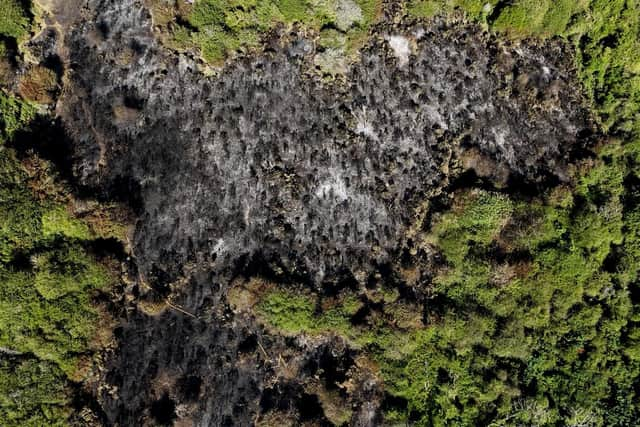

The changing climate is creating a growing range of climate hazards that organisations must now consider as part of their risk landscape. Extreme rainfall, flooding, heatwaves, droughts, wildfires, and severe storms are no longer rare events that can be treated as exceptions.
Instead, they represent increasingly material threats to infrastructure, operations, supply chains, employees, and customers. As historical weather patterns become less reliable predictors of future conditions, understanding exposure to climate hazards is quickly becoming a critical component of effective risk management.
Climate change is no longer solely an environmental issue; it is a strategic challenge that requires proactive management. In response, adaptation, resilience, and long-term risk management are becoming central to protecting assets, maintaining operational continuity, and creating value in an increasingly uncertain future.
An unlikely warning signal of the present-day reality of climate change comes from the insurance industry. Insurance markets often act as the economy's early warning system. When insurers struggle to price climate risk, businesses should take notice and prepare for this uncertainty in their financial planning.
Much of the infrastructure in use today was designed using historical climate data. Asset lifetimes, design tolerances, maintenance schedules, and operational assumptions were developed based on environmental conditions that were considered relatively stable and predictable. As these conditions change, many assets are being exposed to stresses beyond those anticipated during their design.
By considering future climate uncertainty during design and operation, infrastructure systems can become more adaptable, reducing the likelihood of costly failures, service disruptions, and premature asset degradation.
While emissions reduction remains essential, it addresses only part of the challenge. Greenhouse gases already accumulated in the atmosphere will continue to influence the climate for decades to come, meaning many of the physical changes we are experiencing today are already underway.
Climate resilience is no longer solely about protecting assets from individual hazards; it is about strengthening the systems that support long-term business continuity and societal wellbeing. Organisations that understand their exposure, invest in adaptive measures, and work with natural systems rather than against them will be better positioned to manage uncertainty and recover from disruption.
Emily Alexander is a senior associate scientist at Tunley Environmental. https://www.tunley-environmental.com/