
Parking revenues have become a cash cow for local government but it’s to the detriment of Yorkshire’s high streets - Jayne Dowle
Every local council in the country is under financial pressure, but cutting free car-parking to ramp up the coffers is no way to help keep the High Street afloat. Nowhere is this more prescient than Bradford, where the new Reform UK-led authority came in on a ticket proposing that shoppers and visitors could enjoy one hour’s free parking at council-owned carparks.

This would stimulate not only retail and leisure activities, but bring people into the city from further afield, including tourists and day-trippers.
The proposal - announced in July - also included free parking in the evenings to boost the night-time economy and at leisure centres and visitor attractions around the city.
The move would have largely reversed changes to parking conditions which were made by the previous Labour-led administration as part of cost-cutting measures.
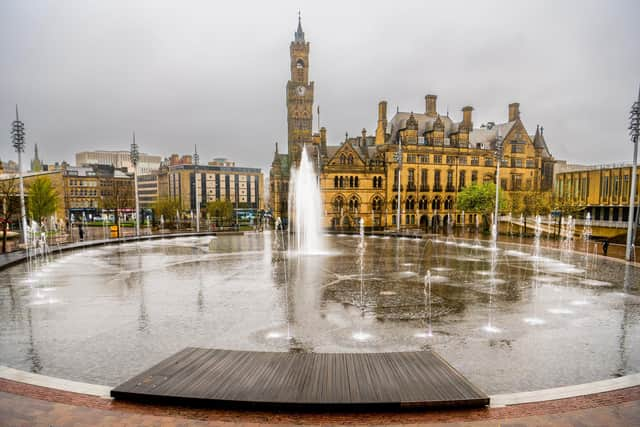

But now, Reform UK’s promises have been shelved, with councillors confirming last week that the plans were “not deliverable” in the short term.
Two months ago, new council leader Stephen Place posted an excitable video on Bradford Council’s social media pages to announce several changes to parking across the city.
This announcement claimed that the changes would go before a meeting of the executive in September to be ratified.
Yet, when that meeting came around, there was no mention of the parking proposals on the agenda. It’s understood that they were briefly mentioned in a discussion about the proposed reopening of the Sugden End tip.
Speaking after the executive meeting, councillor Ian Walker, cabinet member for neighbourhoods and communities, said it remained the council’s “firm view” that free parking would support shoppers, local retailers and the night-time economy.
“We appreciate that residents will be frustrated by delayed progress,” he added.
Walker also said that the administration remained committed to exploring other options, with a view to introducing improved parking measures in the next financial year. Which still leaves Bradford residents and business owners wondering if they can trust anything the council says.
Like so many towns and cities in the UK, Bradford proves that if there is one thing that will help reignite life in our urban centres it’s free car parking, even for an hour.
I’ve been in towns and cities where this is already the case and it’s true that they have a buzz about them.
People can park and pop to shops, meet friends for coffee and generally feel welcomed. However, revenue raised from parking has sadly become a cash cow for local government in so many places.
Councils can come up with all the sustainable travel plans they like, bike, bus, walking, but the fact remains that people with access to a car like to be able to drive - for convenience, ease, personal safety and if they’re disabled or elderly, to feel confident in travelling independently.
Parking should not be an afterthought or a ‘nice to have’, it should be a priority, especially as the high street continues to take a battering - even John Lewis and Waitrose have posted worrying trading losses for the last six months - and hospitality staggers under gale force winds putting so many bars, pubs, clubs, cafes and restaurants out of business.
Anyone interested in just how much their local council does make from parking charges can request a Freedom of Information disclosure if they wish. It might well be the case that the proceeds are not worth the cost to communities.
In Idle, Bradford, speaking to the BBC, Liberal Democrat councillor Alun Griffiths, expressed the views of many when he said, “I can't tell you how angry we are about this. We're fed up of being told one thing and then it doesn't happen.”
Griffiths claimed the council-run car park in Idle raised less than £9,000 in its first year of charging, while the effect on surrounding businesses and residents had been “incalculable”.
And that is as true in Idle as it is anywhere else. Paying even a few pounds adds up and with the cost of living crisis - including the recent rise again in the price of petrol and diesel - showing no signs of abating, people will make savings wherever they can.
Rather than paying to park, drivers will often end up using a free supermarket car-park, a decision which is then likely to see them doing all their shopping there instead of visiting smaller independent local businesses.