
Policing York isn’t like policing Bedale, place should be at the heart of police reform - Jo Coles
The paint is not yet dry on signs for the new Number 10 North, but what is already clear is that the Government led by Andy Burnham is one that will put devolution and greater local control right at the heart of delivering growth and improving public services. So, when a Home Office white paper on police reform barely mentions the word, alarms should sound.
Mayors have always been clear that place comes before politics. Rather than toeing the party line, questions like ‘what is in the best interest of York and North Yorkshire?’ ‘What makes people safer?’ and ‘how do we build public confidence in policing?’ drive our thinking.
It’s right that policing in Britain is reformed, because crime constantly changes. Far more crime now occurs across county lines, or online; cybercrime now accounts for 48 per cent of all crime.
But gang members, online abusers and fraudsters all live somewhere, and the expectation of the public for visible neighbourhood policing has never been higher. That’s why the link between place and policing has never been more important. Neighbourhood policing is key to building trust in communities, where people know what’s happening where they live, which can stop crime in its tracks.
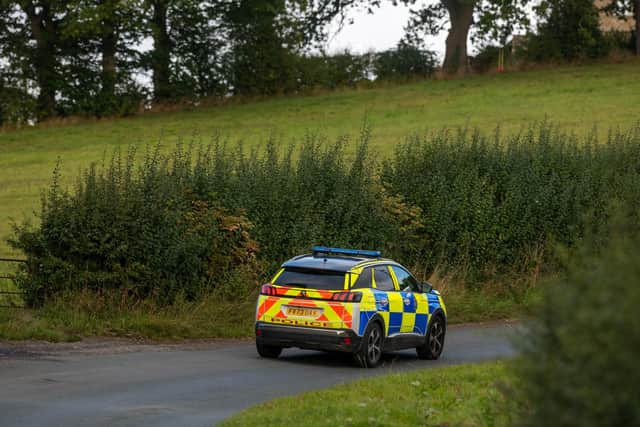

Place should be at the heart of police reform; balancing the need for visible and effective neighbourhood policing with the changing nature of crime.
The proposals for a stronger national police force to lead on counter-terror, serious and organised crime, and fraud, are welcome and much needed. But the creation of a new mega-police force will not work if it’s not rooted first and foremost in place.
The concept of a one-Yorkshire force brings with it several problems which would have a detrimental impact on policing in North Yorkshire.
The first is public safety and the alignment of public services. Bigger isn’t always better. A Yorkshire wide force that spans four Mayoral areas would sever the link between the public and the police. Especially in our rural communities it is not unreasonable to assume that neighbourhood teams in Harrogate, Selby and the surrounding rural towns and villages would be diverted to Leeds or Doncaster during times of high demand.
The Government has set out that they want more public bodies to be aligned to and work much closer with mayors. By the end of this Parliament Mayoral areas will be the default boundary for housing and growth funding, health, resilience, and other national public services. Aligning funding and actions to tackle systemic problems in each area. That’s why it makes no sense to do all that but to remove policing from the equation.
Second, is this good value for money for taxpayers? I’m worried that mergers would lead to a decade of navel gazing, with attention focused on organisational charts and HR processes over the bread-and-butter work of policing, such as the national mission to half violence against women and girls.
Residents in North Yorkshire already pay a higher proportion of council tax to fund police services than in many other parts of the country. How would equalising that across four distinct areas even work? Would North Yorkshire taxpayers pay less while others paid more, which would reduce overall police funding. Would South and West Yorkshire residents end up with a steep hike to maintain funding? Or would the central government have to foot a huge bill to taper equalisation over a decade? That money could just be spent on front line policing.
And finally, public confidence, at the heart of the UK policing model of policing by consent. There are currently around 169,000 police officers in the UK. The vast, vast majority of these do an incredible job every single day, putting themselves in harm’s way to keep the rest of us safe.
But with a workforce of this size, there will always be a tiny minority who abuse their power. All police forces have these issues, and history provides too many examples of where policing accountability has fallen short; from child sexual exploitation and the murder of Sarah Everard to Orgreave and the Hillsborough tragedy.
Police reform must ensure it does not dilute lessons from those tragedies and instead builds confidence through strong, local, and effective oversight and accountability. The directly elected Mayoral model is the natural place to achieve that.
The Home Office may now be on a steep devolutionary learning curve, but we are eager to show them the benefits. Because any merging of police forces beyond Mayoral boundaries would become a huge distraction from the wider delivery of increased neighbourhood policing, halving violence against women and girls, and tackling serious violence.
Efficiency can support that delivery but mustn’t become a top down, unnecessary reorganisation of police forces. Policing York isn’t like policing Bedale, which isn’t like Whitby. Standards yes, standardisation no. Place based decision making must come first, because people and the communities they live in really matter.
Jo Coles is the deputy mayor for Policing, Fire and Crime at York and North Yorkshire Combined Authority.