
Rent rises will increase poverty and deepen hardship in North Yorkshire - Mike Schofield
North Yorkshire Council has decided to hit council tenants with a 4.8 per cent rent increase. That decision, coupled with a 4.99 per cent council tax increase, will change people’s daily lives, and not for the better. It will hit those already at the edge, and it may push some off it.
Let’s be honest about what we are doing here. We are asking families who already struggle to cover food, heating and transport to find more money each month. For some households, that will mean going without essentials. For others, it will mean falling behind on rent. And when tenants fall into arrears, we won’t collect the extra income we expected anyway. Instead, we'll spend staff time and public money chasing debt that never existed in the first place. We cannot call that sound finance. We should call it what it is: a self-inflicted cost.
If arrears escalate, we will push people closer to eviction. When we do that, we will place more pressure on our own homelessness prevention teams. If families lose their homes, we will then pay for temporary accommodation; one of the most expensive emergency measures any council funds. We will save a little with one hand and spend far more with the other.
Our decision will not stop at housing. When we increase rents beyond what people can afford, we increase stress, anxiety and ill health. We drive up demand for care services, children’s services and mental health support. We increase fuel poverty. We send more residents to food banks. We generate more complaints, more disputes and more ombudsman referrals. None of these outcomes should surprise us; we already know they happen when costs rise faster than incomes.

The evidence already sits before us: The Joseph Rowntree Foundation’s UK Poverty Report 2026 shows that housing costs drive poverty across the UK, especially for renters. It warns that social rents act as a crucial buffer against hardship. When we raise them, we weaken one of the strongest protections low-income households have. The report also shows that 40 per cent of social renters were in poverty after housing costs. It states plainly that rent rises without matching income growth will increase poverty and deepen hardship.
It’s hard to understand what drove the decision to put more pressure on single parents, disabled residents and people in low-paid or insecure work. Have those vulnerable people just become numbers on a spreadsheet?
And that begs the question: are we sure that for every pound saved, we’re not incurring more costs? Why aren’t we examining the full cost of this decision? Any competent business would analyse the downstream effects before raising prices. Where’s our analysis? Where’s the full-cost accounting? This Council keeps making budget decisions in isolation, without calculating how one saving creates another expense somewhere else in the system.
As councillors, we hold responsibility not only for balancing accounts, but for protecting residents. Those duties do not conflict; in fact, they reinforce each other. When we keep people stable, we reduce crisis costs. When we push people into hardship, we generate them. Council housing is meant to provide a poverty buffer, but these huge increases blow apart that protection.
A policy that drives our poorest residents deeper into poverty does not show strength, nor discipline. It reflects a misunderstanding of the real costs, and the people behind them.
This isn't prudence. It’s recklessness.
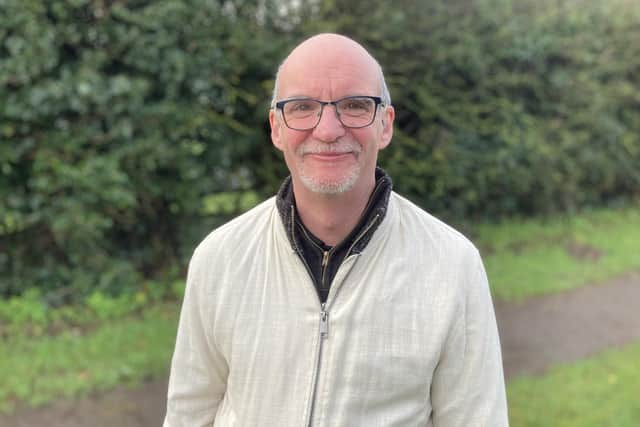
Mike Schofield is the Green Party Councillor for St George’s and Harlow Division in North Yorkshire.