
Rise in personal independence payment (Pip) costs shows need for meaningful welfare reform

One of the first big tests that Sir Keir Starmer’s Government failed was to reform the welfare system. While the Government tried to get a grip of the spiralling costs, it was quickly cowed by a backbench rebellion. The watered-down version exempt those currently receiving disability benefits from the changes.
The need for welfare reform has not gone away. The longer it is left unaddressed, the less sustainable the whole system will be.
Sir Stephen Timms, who is leading a review into personal independence payment (Pip), says the disability benefit system needs “fundamental change”.
The latest official figures earlier this year showed the number of people in England and Wales claiming the main disability benefit passed four million for the first time – roughly doubling since 2019.
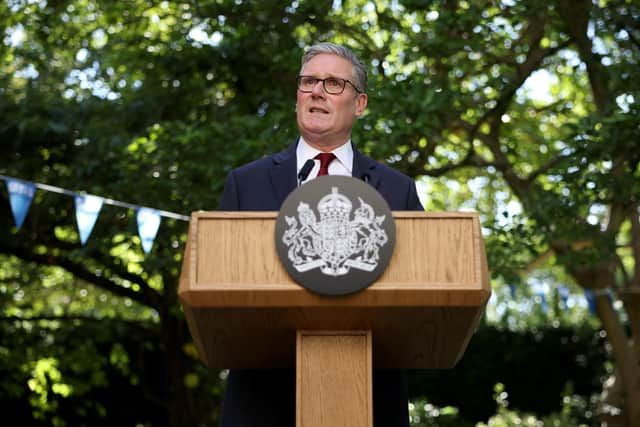

Spending on Pip was around £15bn in 2019/20, had risen to around £26bn by 2024/25 and, by spring 2026, was forecast to rise to more than £41bn by the end of the decade.
Those numbers starkly illustrate the need for getting a grip of rising welfare costs. The state cannot continue to pour endless amounts of money into welfare.
When Andy Burnham enters 10 Downing Street, welfare reform will be one of the policy areas where he and his government will have to make difficult decisions. It isn’t about pulling away the safety net from those that need it the most but about ensuring that living off benefits is not seen as a lifestyle choice. With an aging population, it is paramount that people are encouraged to work and become net contributors to the state.