
Scrapping the two-child benefit cap would allow the Government to leave behind a positive legacy in the North - Hannah Davies
After years of tireless campaigning from organisations across the UK, including ours, last week the government indicated that they are on the verge of scrapping the two-child benefit cap.
This acknowledgement of the need to reform elements of the welfare system to better support children and families is wholeheartedly welcome. It feels like a positive step towards tackling child poverty, and one that will improve the lives of so many families who have been struggling since the cap was imposed.
The policy, introduced by the Conservatives in 2017, means families can only receive benefits for their first two children.
It is an incredibly damaging policy that drives families into poverty. Almost 1.7 million children are impacted by the two-child cap, which continues to push more and more children into poverty with every week that passes.

We know that poverty is a main driver of health inequalities. Growing up in poverty shapes the trajectory of a child’s life. It impacts their physical and mental health, how long they live, how well they perform at school, and how much money they earn in later life. Yet, it is avoidable.
Children given the best start in life are mentally and physically healthier, are more likely to grow up into healthy, happy, productive adults, and they are much less likely to go into care.
One of our reports showed that the rise in child poverty between 2015 and 2020 led to over 10,000 additional children entering care in England – the equivalent of one in 12 care entries during the period. This is a huge issue in the North, where the rate of children in care per 10,000 of the child population is 93, compared to 62 in the rest of England.
Poverty is a political choice. A welfare system that supports and protects children from poverty can reverse the trend of rising child poverty that this country has seen over the last decade. Abolishing the two-child benefit cap imposed on families with three or more children will do this. It would immediately lift 350,000 children out of poverty and a further 300,000 would be living in less deep poverty.
Our Child of the North research, alongside countless other pieces of sobering evidence, show the devastating impact poverty has on children’s health and wellbeing - which is often felt particularly keenly in northern communities. This has been exacerbated by a welfare system not fit for purpose, that leaves thousands of families with children without enough money and security of income to meet their basic needs.
Currently, 4.5 million children are growing up in poverty in the UK and, as our ‘Child Poverty and the Cost of Living Crisis’ report showed, in Yorkshire and the Humber and the North East child poverty was the highest it has been since the year 2000.
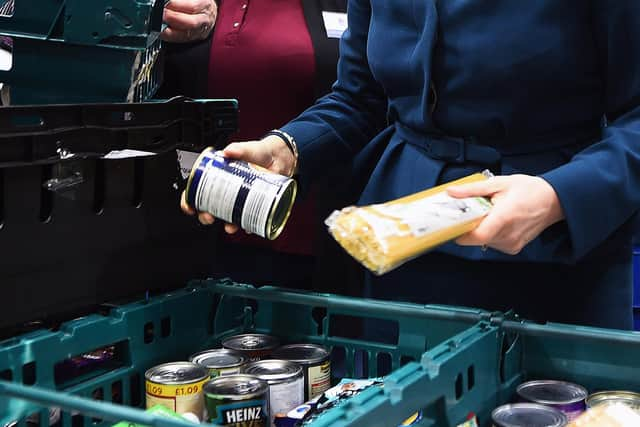
We know that food insecurity is strongly linked to poverty, and families with children are twice as likely to be food insecure than those without children. Poverty is also a root cause of other major social problems such as obesity in childhood.
At the Labour Party Conference in Liverpool last week, we held a Child of the North panel event with two of Health Equity North’s Academic Co-Directors, representatives from Resolve Poverty and Save the Children, and Sam Rushworth, MP for Bishop Auckland. The event centred on how reducing poverty can help address child health and social inequalities. The timely discussion also drew insights from young people from the Liverpool area who have first-hand experience of growing up in poverty. Too often, it’s the voices of those who have lived the reality of poverty that are excluded from important policy debate. Yet, these are the very people affected. The people who are forced into making heartbreaking choices about whether to put food on the table or put the heating on.
Following the news that the Chancellor could be planning to lift the Conservative-imposed two-child cap in the Budget next month, there was a renewed sense of hope among campaigners that we spoke to during the party conference.
Reports indicate that it may not necessarily be a clearcut scrapping of the cap, with different options being considered to replace it, including a tapered system. What this means and looks like in practice, remains to be seen.
While some may argue over the financial implications of axing the two-child cap, we need the government to adopt a legacy mindset. Reducing child poverty will create healthier future generations that will bring a wealth of benefits to our economy. This could be the legacy of this government, if they are bold enough and brave enough to put child health at the heart of its strategy.
Between now and November 26 when the Chancellor delivers the Budget, I’m sure more information will come to light, and we eagerly await the publication of the much-anticipated Child Poverty Strategy.
In the meantime, we will continue to put pressure on policymakers to ensure that the cap is lifted in its entirety – for all families. A policy shift that only helps some children and families but leaves others behind isn't fair and equitable.
Hannah Davies is chief executive at the Northern Health Science Alliance and executive director at Health Equity North.