
Slow progress on compensation for victims of Post Office Horizon scandal and the Infected Blood scandal deepen the sense of betrayal - Daxa Patel
I have written about these injustices before because they continue to incense me. The ongoing battle for victims of injustice does not end when their experience is finally validated in public after a formal inquiry. Instead, it drags on, resulting in more harm, more distress and a deepening sense of betrayal.
We are witnessing a systematic, almost mechanical cruelty - a machinery of delayed compensation that grinds down those who have already suffered enough.
A public apology from those responsible is just the beginning. Even reaching that point requires victims to fight tooth and nail simply to be heard. But the pain is compounded by a system that responds with indifference and delay, withholding compensation that is essential for victims to even begin their healing journey.
Let us be honest: none of these victims will ever get their original lives back. But at the very least, timely redress could allow them to say goodbye to the ‘battle’ and start to rebuild.

There is a disturbing, recurring pattern of delay. I saw it time and again during my years as a clinical negligence solicitor. The system is designed to wear victims down, to exhaust them until they either give up or are forced to relive their trauma repeatedly just to argue for some form of redress. It is beyond cruel - it is inhumane.
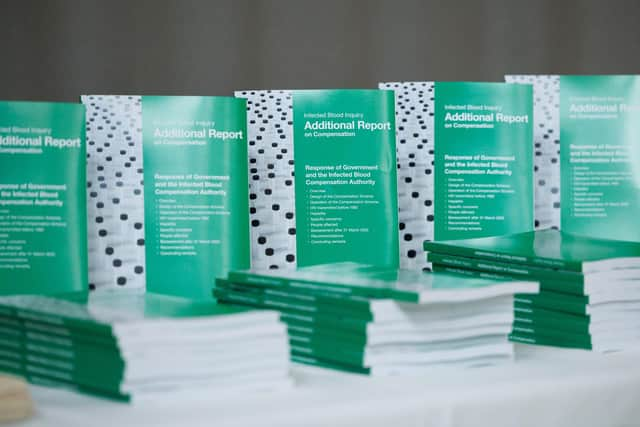
Recent scandals have brought this issue into sharp focus. The Infected Blood scandal, for example, left more than 30,000 people infected with HIV or hepatitis through contaminated NHS blood products, costing the lives of around 3,000 victims. These individuals and their families were shunned, their lives shattered. Sir Brian Langstaff, chair of the Infected Blood Inquiry, condemned the delays as a repetition of historic failures. The compensation scheme was overwhelmed and victims continued to suffer. Today, less than 25 per cent of applicants have had their compensation processed. The roots of this scandal stretch back to the 1970s and 1980s, and yet, decades later, many victims are still waiting and some have died waiting.
The Windrush scandal saw thousands wrongfully detained, deported or denied their rights to remain in the UK - their home. The Windrush Compensation Scheme was established only after the Home Office was criticised for mishandling claims and denying rightful redress. Human rights were violated and people who had given their lives in service to this country were made to feel they did not belong. Many are still waiting for justice.
The latest is the Post Office Horizon IT scandal. Last week, Sir Wyn Williams’s report revealed the “profoundly disturbing human impact” of this miscarriage of justice. The government has paid out £1.1bn, but many victims - especially those with quashed convictions - have yet to receive redress.
We must not forget the Cumberlege Review in 2020, which exposed serious failings in the use of Primodos, Valproate and pelvic mesh. Five years on, there is still no redress scheme for those affected.
Each of these scandals is rooted in institutional failure, often followed by years of denial or silence. Behind every headline is a silent battle: victims summoning the courage to start a class action, public outcry sparked by a TV drama or a whistleblower, and eventually, a reluctant review of the injustice.
Let us be clear: these victims are not ‘serial claimants’. They are ordinary people who have been wronged - often by state-run organisations that should know better. They have had to bear the burden of proving their case, filling in endless forms, and retelling their pain just to be seen and heard. Sir Alan Bates, who championed the victims of the Post Office Horizon scandal, has warned that further delays in compensation could continue for another two years.
The pattern is one of disregard, insensitivity and a lack of accountability. When the government promises to “do its best” to follow recommendations from inquiries or commissions, but leaves timelines vague, it perpetuates the very tactics designed to wear victims down.
Having walked side by side with my legal clients, I know that an apology is just the start. The real battle is the silent one: the struggle to rebuild a life, knowing that what was lost is gone forever - reputations destroyed, marriages broken, livelihoods lost.
So, what can we do? On the outside, we must acknowledge that collective failure. Validation alone is not enough. We must find ways to help victims heal and rediscover hope. It is a war of emotional attrition, a battle that most of us can barely imagine.
But here is the truth: change is possible. History shows us that when enough people stand up, speak out and demand accountability, systems can be transformed.
Let us be the generation that breaks the cycle of delay and denial. Let us insist that justice delayed is justice denied and that every victim deserves not just to be heard, but to be healed. The time for empty promises cannot continue. The time for action is now.
Daxa Manhar Patel is a leadership coach, author and solicitor.