
Teenagers are becoming less happy every year, we risk normalising a generation living in permanent anxiety - Mark Russell
For families across Yorkshire, the back-to-school season can feel like a bolt out of the blue. One moment it’s the long summer holidays and the next it’s uniforms, new shoes and the scramble for PE kits that still fit. But behind the familiar bustle lies one of the most potentially stressful times of the year, for parents, and even more so for children.
For mums, dads and carers, these first few weeks are a juggling act of new routines against the backdrop of rising costs from new blazers, packed lunches, school dinners and bus fares. For children, the challenge is different but just as real; it’s the daunting leap into change: new teachers, unfamiliar expectations, shifting friendships. What may start off as excitement can quickly turn into a source of anxiety.
And here’s the thing that should concern us all. Research from The Children’s Society shows just how sharply wellbeing can dip just when children need the most support. UK teenagers now report some of the lowest levels of life satisfaction in Europe. On top of this, many struggle with the major milestones of growing up. Moving from primary to secondary school, for example, is a moment that children themselves describe as daunting – and for some, the sense of dislocation never really fades, leaving them battling through secondary education with less confidence.
Mental health services are stretched and more young people are weighed down by stress, bullying, money worries and the relentless pressures of school and social media. It’s no wonder they’re struggling to stay afloat.

Parents see it too. They’re asking for help - but too often, help only comes when children and young people reach crisis point. Waiting lists are long. Services are overstretched. And children don’t put their feelings on pause while the queue clears.
That’s why at The Children’s Society; we do things differently.
In Leeds and across the country, our Time for Young People services are there for those moments when life feels overwhelming. Here, teenagers can walk through the door, sit down with a trained practitioner and be heard. No judgment. No pressure. Sometimes it’s bullying. Sometimes it’s the gnawing sense of not fitting in. Sometimes it’s anxiety that won’t let go. And sometimes, it’s just not wanting to dump it all on your parents, your best friend, or your teacher.
And that’s OK. That’s what we’re here for. Whatever it is – we listen
Our drop-in spaces offer a chance to talk to someone now. Not in six months. Not after filling out endless forms. Now.
It’s a simple model, but it works. Early support can be the difference between a wobble and a full-blown crisis. If the issue can be tackled there and then, it is. If it’s more complex, we help young people connect with specialist services. But crucially, they’re not left unheard while they wait.
And let me tell you, when you see the relief on a 15-year-old’s face as they walk out of a session lighter than when they came in, you know it matters. Parents too, are pointed towards clear sources of guidance so families are not left to struggle in silence.
We’re proud to have a base in Leeds, serving communities across West Yorkshire. This is a region with a proud history of rolling up its sleeves and getting things done, and our drop-ins are built on that same spirit. Schools, councils, businesses and families all recognise the need on their doorsteps. Yet every year, our data shows teenagers are less happy than the year before. Behind the statistics are children losing sleep, struggling to concentrate and doubting their own self-worth. If we don’t act now, we risk normalising a generation living in permanent anxiety. That should never be acceptable.
And yet, I remain hopeful.
Every day, I see the dedication of staff, volunteers, parents and carers who go the extra mile to support young people, simply being a steady presence when it matters the most. I also take encouragement from the Children’s Wellbeing and Schools Bill currently going through Parliament. If passed it would finally put mental health and emotional wellbeing at the heart of school life, exactly what so many children tell us they need.
As Gordon Brown observed more than 20 years ago, children may be 20 per cent of our population but they are 100 per cent of our future. That remains true. But here’s the truth too often overlooked: young people aren’t just ‘the future’. They are so much more than that. They are our present: our classmates, our neighbours, our carers, our dreamers. When they thrive, whole communities benefit and when they struggle – the impact is felt far beyond the school gates. If you’re a teenager or a parent who’s worried, you can get support from people who care and will help you find your footing again.
Let’s make sure every teenager starts the school year with the support they deserve because no young person should face these challenges alone.
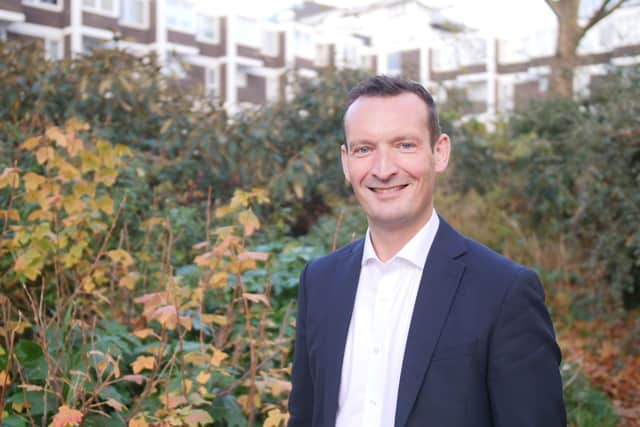
Mark Russell is the CEO of The Children’s Society.