
Ten years on from Brexit, let's make this our 'rejoin' decade - Peter Packham
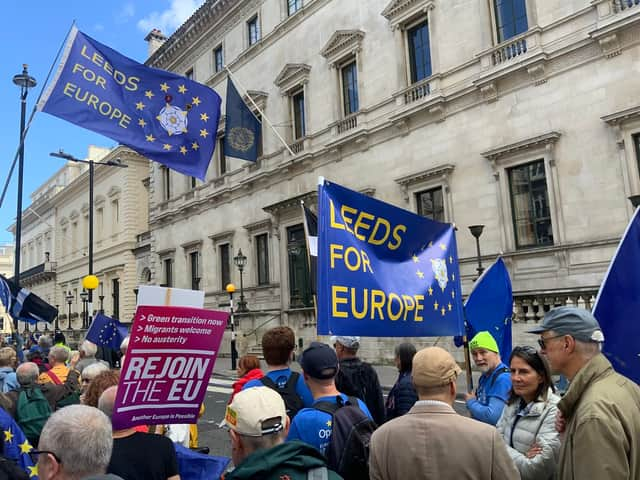
A referendum called to settle an internal Conservative Party dispute had instead opened a decade of division, drift and political paralysis, argues Leeds for Europe chair Peter Packham.
Ten years ago, on 24 June 2016, the country woke to find that, by a slim 52 per cent to 48 per cent margin, the UK was leaving the European Union.
To pro-Europeans, that day became “a date which will live in infamy", to borrow from Franklin Roosevelt.
A referendum called to settle an internal Conservative Party dispute had instead opened a decade of division, drift and political paralysis.
Itstarted to unravel immediately - that very morning, Nigel Farage appearedon ITV backtracking on promises of an extra £350 million a week for the NHS. That claim was "a mistake", he said.
David Cameron resigned that day. Successor Theresa May asserted that "Brexit means Brexit" - and the campaign for a second referendum got under way.
We felt that, on such a tiny Leave majority, Ms May should have sought consensus; we were angry at our exclusion from the debate about our country's future.
Our anger was fuelled by the false promises of 2016: no Brexit downsides, they said.

Just upsides. Britain held all the cards; leaving would be quick and easy. These were not fringe claims - but the words of senior figures from the Leave campaign.
But converting empty slogans to workable policy proved difficult. Parliament was gridlocked.
MPs who had together demanded Brexit rejected deal after deal, angrily disagreeing with each other about what Brexit was meant to mean.
The 2019 General Election offered a brief illusion of clarity. An "oven-ready deal" was presented as the solution - only for the Government to seek to renegotiate it before the ink was dry.
Uncertainty followed - and continues today. The OBR estimates Brexit is shrinking our economy by four per cent; economists at Stanford University say nearer six to eight per cent.
Both figures dwarf anything saved by eliminating our EU budget contributions.
The deeper loss has been one of opportunity: the end of Erasmus foryoung people, disruption to scientific collaboration, new barriers toliving, working and building relationships across Europe.
At a time when global power is shaped by three blocs - the US, China and the EU - Britain is isolated from the one we helped build.
Thankfully, minds have changed. Polling consistently shows a majority think we were wrong to leave and should rejoin.
Among Labour's own supporters and members, the appetite for closer EU ties is overwhelming- a signal the party's leadership should heed.
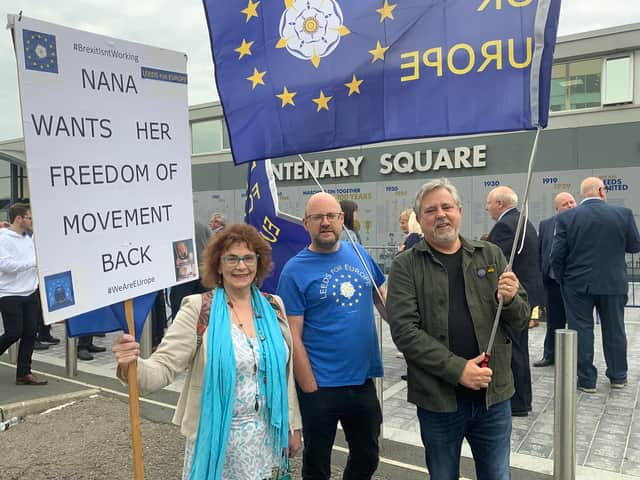
So, 10 years on, what now for Leeds for Europe itself? For starters, weare retiring the word Brexit and concentrating on the opportunities infront of us.
We will be making a confident, positive case for restoring Britain to the heart of Europe.
We do not underestimate the size of the task, but we believe that thecountry can come together and make rejoining less a slogan and more ourcountry’s shared ambition.
Ten years on from that terrible morning in 2016, I am confident the UK will again take its place in the European family - and when it does, it will be because the country chose hope over division.
Peter Packham is a retired pensions manager from Moortown, Leeds. He has been Chair of Leeds for Europe since 2024 and, last year, joined the board of parent group European Movement UK.