
The Assisted Dying Bill exposed a political class that will praise compassion in speeches while withholding it in law - Daxa Patel
The Assisted Dying Bill did not fall for want of hours on the parliamentary clock. It fell because too many of our leaders chose safety over service. From the start there was a quiet resistance, a preference to wait it out rather than face the truth at the bedsides of those who are dying.
The question before Parliament was simple and human. Should a mentally competent adult with a terminal diagnosis have a lawful choice over how and when they die. We extend that mercy to our pets without controversy, yet we deny it to ourselves. That contradiction is indefensible.
I understand the emotion on both sides. This subject is raw because it sits where love, fear and faith collide. But the handling of this Bill exposed more than disagreement. It exposed timidity and an unwillingness to modernise in line with countries that have already acted responsibly. It exposed a political class that will praise compassion in speeches while withholding it in law.
My father wanted a choice. So do I when my time comes. I can, in good conscience, decide when my dog’s suffering has tipped beyond what is fair to ask of him, and I am grateful for that kindness. Yet I am refused the same autonomy for my own body and mind. We honour dignity in theory and abandon it at the end of life when it is most urgently needed. We speak of freedom yet remove it at the door of death.
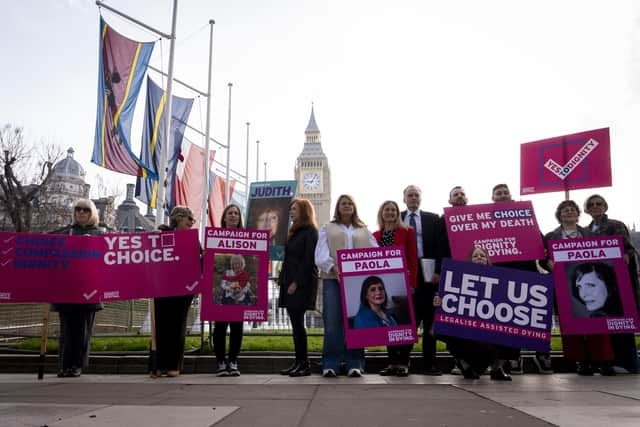

We live in a world of instant access where almost everything can be arranged within minutes. Yet a dying person of sound mind who seeks a gentle, planned exit finds only barriers. Those who have sat through the long nights and the morphine hours know this reality. You watch someone you love, fully aware, forced to choose between surrendering to whatever comes or travelling alone to a clinic overseas. We are exporting our responsibility and importing our shame. That is the cost of legislative cowardice
Safeguards are possible. Other jurisdictions have proved it. They have not abandoned the vulnerable or slid into moral collapse. They have erected clear criteria, strict oversight and penalties for abuse while preserving both compassion and control. Our refusal to study and adopt workable models is not prudence. It is paralysis.
Consider Dame Esther Rantzen. Few people command such cross-party respect. She has spoken with grace and urgency while living with terminal cancer, and asked Parliament for choice with the moral authority of someone facing the consequence of the law we write. If even that clear call cannot move our leaders, what will.
This is bigger than one Bill. It is a test of whether our democracy answers to evidence and lived experience or to the comfort of delay. When public opinion is overwhelmingly in favour of change, when countless families carry the memory of avoidable suffering, and when international practice offers practical guidance, what justification remains for inaction.
It grieves me to say this, but many of our leaders appear to lack conviction. They speak of compassion yet decline to legislate it. They speak of modernisation yet cling to frameworks that deny autonomy to adults at the moment they need it most. They promise to listen yet turn away from the quietest voices, the ones speaking from hospital rooms and hospice beds.
The Prime Minister signalled openness and granted a free vote. That was welcome. But leadership also means protecting time, defeating procedural games, and ensuring that a matter of life and death is not lost in the machinery of a calendar. The Lords deployed delay. The Commons allowed drift. The result was predictable. A private member’s bill that raised hope, invited testimony, and then timed out. That is not neutrality. That is a choice to keep the status quo without owning it.
We are told that refusal protects the vulnerable. It does not. It pushes decisions into secrecy. It leaves dying people frightened and alone. It sends them abroad if they can afford it and leaves others to desperate measures at home. It denies doctors a lawful, regulated framework and leaves families to carry burdens they should never have to carry. There is nothing protective about that.
The Assisted Dying Bill was a chance to pair compassion with rigour. Eligibility could have been narrow and clear. Capacity could have been assessed independently. Cooling off periods, reporting duties and oversight could have been strict. Instead, we chose uncertainty. We chose to look away.
This debate will return because it must. People are living this question every day, and their quiet courage is stronger than parliamentary hesitation. When it returns, I ask our leaders to meet the country where it already stands. Study what works abroad. Draft a bill that is narrow, safe, and humane. Trust competent adults to make the most intimate decision of their lives with medical support and legal protection. And have the courage to vote for a law you would want in place for yourself and those you love.
Daxa Manhar Patel is a leadership coach, author and solicitor.