
The Government cannot afford complacency over economic impact of war in the Middle East

Protecting people from the economic impact of the war in the Middle East now needs to be the key imperative for the Government.
The Prime Minister needs to make good on his promise with the soaring price of oil likely to have disastrous consequences for many households.
Sir Keir Starmer insists that the economy is resilient and well placed to absorb the “likely impact” on households and businesses.
However, it’s worth remembering that the cost of living crisis that followed the pandemic and outbreak of the war in Ukraine has not left us. Inflation remains stubborn. And all signs point to an increase in bills on top of this following the conflict.
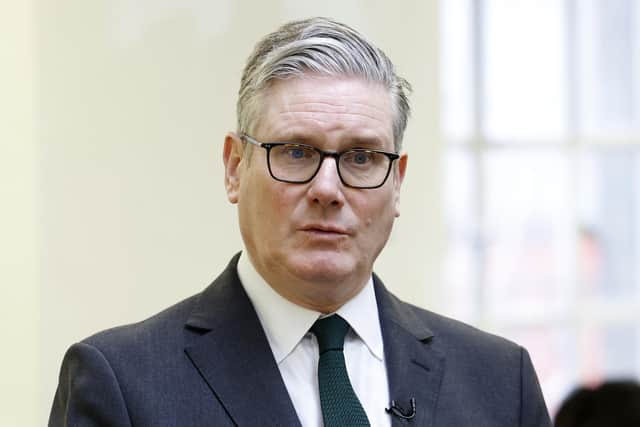

While the PM sought to reassure the public, promising “to look around the corner” at the potential risk of rising costs, the Government cannot make the same mistake the previous Tory government did in 2022, when it dragged its heels on protecting the public from soaring energy bills.
It isn’t just energy bills that are a concern. Food security needs to be on the Government’s radar as well. Supply chains have been heavily disrupted in the past couple of weeks.
Tory party leader Kemi Badenoch said that it was important to send a message to the world and join the US in attacking Iran. However, as security experts have warned, UK strikes would be purely political rather than military. And rather than grandstanding, it is important for Britain to take a measured approach. Especially given the volatility that comes with dealing with US President Donald Trump.
Trump insists prices will “drop rapidly when the destruction of the Iran nuclear threat is over”. However, the war in Ukraine has shown the world otherwise. The Government needs to be braced for an economic impact.