
The Government must act now to tackle the child inactivity crisis - Dr Anna Chalkley
If we’re serious about children’s futures, physical activity must become part of the school day – not an optional extra. Parents across the country share the same quiet hope: that their children will grow up healthy, confident and ready to face an uncertain future. Yet for millions of children in England today, that hope is increasingly at odds with reality.
A new national report from the Centre for Social Justice paints a stark picture. More than half of primary‑aged children are not moving enough. Screen time is rising, while physical fitness, mental wellbeing and basic movement skills are deteriorating. The cost is already being felt – in classrooms, in clinics and, ultimately, in widening health inequalities.
What is striking about this report is not just the warning, but the clarity of its message. This is no longer about encouraging the occasional sports day or protecting a couple of hours of PE each week. Physical activity, the report argues, needs to be embedded into the fabric of the school day.
That conclusion will sound familiar to anyone following the growing body of research in this field. Work led by the University of Bradford has been making the same case for more than a decade. Through the Creating Active Schools programme, researchers have shown that schools can successfully integrate movement across lessons, breaks, travel and culture, without harming academic outcomes and often improving them.
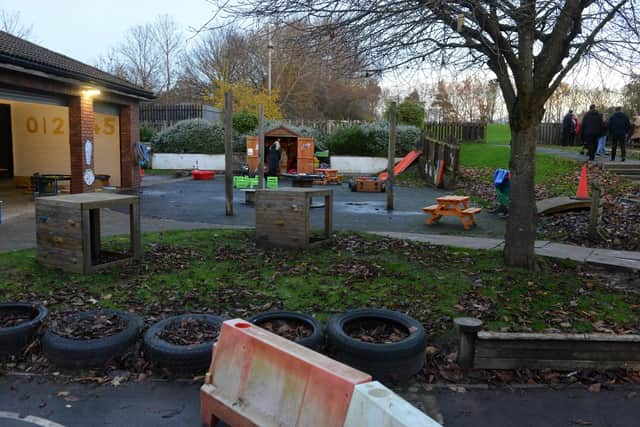

Crucially, the evidence suggests that whole‑school approaches work best where they are locally owned and supported. In Bradford, schools have used a research‑led framework to design solutions that fit their communities, whether that means active lessons, a professional learning community for teachers or partnerships beyond the school gate. Emerging evidence shows increases in children’s activity levels, cultural change within schools and sustainability over time.
The Centre for Social Justice report rightly calls for national leadership. Proposals such as a School Activity Standard, stronger accountability through inspection, and improved teacher training all point in the right direction. But policy ambition alone will not be enough. Implementation matters.
There is a rare opportunity on the horizon. Government plans to establish a new national PE and School Sport Partnerships Network could provide the delivery infrastructure needed to support schools consistently. If done well, it could help translate research into practice at scale.
However, that will only succeed if policy is aligned with evidence. Decades of well‑intentioned initiatives have too often treated physical activity as an add‑on, rather than a foundation of healthy development. The result has been stalled progress and growing inequality.
Parents understand instinctively what the evidence shows: children learn better when they move. Physical activity supports mental health, concentration, confidence and social development. It is not a distraction from learning; it is part of it.
The question now is not whether we need to act, but whether we are willing to act decisively. Models already exist that show how schools can change, particularly in communities that need it most. Bradford’s experience demonstrates that when research, schools and local systems work together, real progress is possible.
The government now has the chance to take that learning seriously and to ensure that the next generation grows up not only more informed, but more active, resilient and ready for the future.
Dr Anna Chalkley is a senior research fellow at the University of Bradford.