
The Langdale Moor wildfire is a reminder that emotion cannot come into moorland management
The fire on Langdale Moor is a stark reminder of the importance of putting science at the heart of decision-making. The widespread devastation that the wildfire caused needs to be examined forensically, its causes need to be understood properly and lessons have to be carried forward.

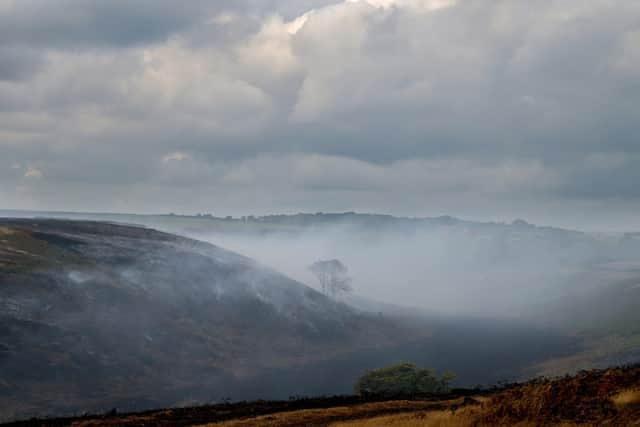
When it comes to moorland management, emotions get in the way of rational thought on both sides of the debate. But as the wildfire that has left 10 square miles of the North York Moors charred shows, there is clearly a need to come to consensus regarding controlled burning.
The fact that Natural England, Defra, the RSPB and the National Trust have no wildfire experts, yet get a great say over the matter is alarming. It’s not about unrestricted burning but rather not continuing opposition to it on ideological grounds.
Especially when experts such as Andreas Heinemeyer say emotions being brought into policy-making had resulted in biodiversity “being burned to a crisp”.

“We need to ask what is the proper evidence, without emotion, for the outcomes we all want,” the University of York scientist, who is leading a 20 year study into the impact of different moorland management options, added.
His call should be heeded, especially as summers are likely to get warmer and drier owing to climate change. Allowing emotion to get in the way of moorland management would be tantamount to neglect and could cost lives.
The heroism of the Farmy Army should not be underestimated during the recent wildfire. If it was not for their quick action the damage would have been much worse. And there were also those who helped firefighters and farmers on the frontline. The response was one that was befitting of the proud county of Yorkshire.