
The literacy gap at primary school needs to be urgently addressed

There are many benefits to be derived from reading at all ages but especially for young children. It can set them up for a fulfilling life not just in educational settings but also from a personal development perspective.
The written word is a powerful tool but in an increasingly digital world it is being taken for granted.
Research shows that the scale of the primary school reading gap is clearly being overlooked and it is to the country’s detriment. Nearly three in five UK adults are unaware that a quarter of children leave primary school not able to read well, a survey commissioned by Bookmark Reading Charity found.
It’s alarming that one in eight children aged five to eight does not own a book at home.
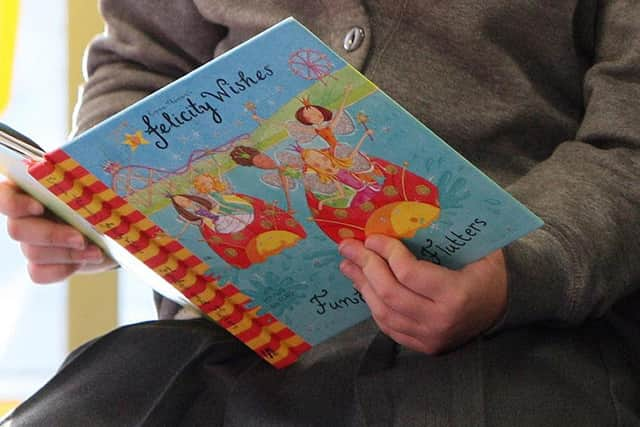

Parents that inculcate a love of reading in children from a young age often see their children excel in education.
Increasingly there is a belief amongst some that children don’t need physical books in the world of tablets and computers. But these devices come with distractions that physical books don’t.
The temptation to redefine literacy needs to be resisted. Listening to audiobooks or browsing content on social media is not reading.
This isn’t just about literacy skills, children who fall behind in reading can also end up struggling in other subjects. The benefits of reading extend beyond the classroom, setting up children with the confidence required to navigate life’s challenges as well as being good for mental health.
The Government’s drive to focus on improving reading skills in pupils through a “national year of reading” in 2026 is to be welcomed.