
The sun shone on the Great Yorkshire Show and Labour missed an opportunity to engage with farmers - Carl Les
The Great Yorkshire Show has come and gone, the 166th since inception, and at this location since 1951. As the very young farmer son of a friend of mine said recently “it’s the bestest show of all”.
Whilst not sure of the correctness of that adjective, with the loss of the Royal, it is certainly the premier show in England. Spread now over four days with a maximum daily attendance of 35,000 plus members, this seems to work well for attendees, the traffic they create and traders alike.
Indeed the only negative comment I picked up, apart from the heat, from people working on stands was that the wi-fi is still less than perfect with difficulties in connectivity. Even WhatsApp and mobile phones were dropping in and out, as I found out to my frustration whilst trying to do an interview with this paper. You wouldn’t expect a not-spot in the middle of North Yorkshire`s largest town. Hopefully this can be addressed for the future as we become ever more dependent on our IT.
The heat was something else. Four days of bright and beautiful weather may have helped to lift the gloom that overlays farming, and the whole rural economy in general, but it was hot.
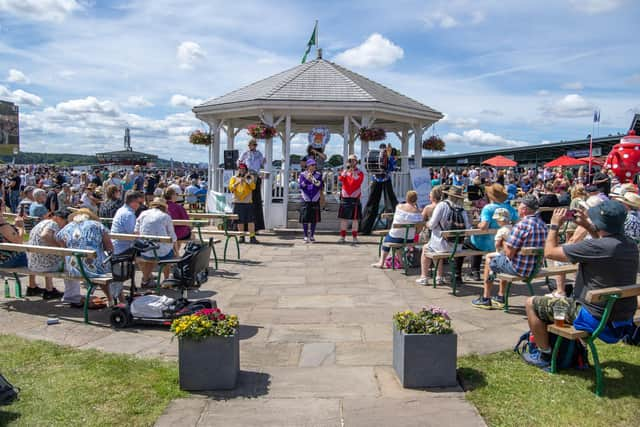

I think physiologically I’m more Nordic than Mediterranean, well Eastern European I suppose, and don’t work outdoors where you can get used to the sun once winter passes. However with careful management it appeared that both animals and humans were helped to cope, unlike Wimbledon often interrupted to rescue spectators. I’m not a great spectator of equestrian events, only occasionally watching on TV, but I found shelter from the sun in one of the covered grandstands and watched the Cock of the North event. Watching that theatre live was spectacular.
The Yorkshire Agricultural Society, on whose council I am very pleased to represent my council, is often linked only with the show. But it does so much more, in helping to develop skills and transfer the knowledge of those in the industry, surely the oldest industry known to man.
Promoting careers in agriculture, at the most basic it organises educational events to get children interested, even if not in a career at least in where food comes from and what good food is. At a higher level it facilitates research, such as Nuffield scholars, and sponsors events and conferences.
Wellbeing and safety on the farm are important subjects that are promoted constantly and this year’s sponsored scholar is looking at interventions to reduce suicide amongst the farming community. This month HealthWatch North Yorkshire has issued a report that North Yorkshire Council’s Scrutiny of Health Committee has received entitled “Ploughing through the Barriers”, investigating the key health and wellbeing issues affecting the farming community and how to overcome the barriers to getting the help that is needed.
With this profile it’s surprising that the Labour government didn’t use the show as more of a platform to promote its message that it is pro-farming. Its huge challenge regarding IHT, on family farms but also any other asset-backed family business, is supposed to be mitigated by other interventions.
Amongst many others I’m not convinced, but if that’s their argument, come and put it, come and discuss it, come and listen. Labour have well over a hundred MPs representing rural seats. A visit by one Minister is not enough.
The opportunity was there to meet farmers, hear their hopes and fears, see the technology-advanced machinery they need to improve their productivity and maintain their world-leading position as world-class food producers, talk to the dealers and suppliers who also fear the worst in an economy under threat. They could take the message back to the Westminster bubble that a right-turn if not another U-turn on fiscal policy could encourage investment rather than stifle it.
For the first time since North Yorkshire Council (NYC) was formed two years ago we took the opportunity to talk to community, partner and other organisational leaders in North Yorkshire at a breakfast time meeting, on the wide subject of the rural economy, present and future.
Hosted by this year’s chairman, Cllr Jabbour, supported by the Harrogate Chamber, with the discussion moderated by the Dean of Ripon, the Most Rev`d John Dobson, well experienced at such a task of shepherding. I was pleased to attend as a panellist alongside Tom Gordon, recently elected LibDem MP for Harrogate & Knaresborough, and James Farrah, chief executive of the York & North Yorkshire Mayoral Combined Authority (MCA). Cllr Jabbour tried to get representation from Labour, so they weren’t excluded, but it proved impossible for that day and time.
I don’t think there were any surprises in the issues raised – transport, investment, planning, the importance of volunteers including parish councils, the role of the MCA going forward, the engagement of NYC, community anchor organisations, existing support organisations, the visitor economy, broadband, developing skills and more. Encouragingly there was a willingness to work together to tackle problems.
Carl Les is the Leader of North Yorkshire Council.