
The threat of animal disease in Britain should concern us all not just farmers

The challenges farmers face have never been tougher than they are currently. As well as the uncertainty created by Government policy and the changing climate, there has been an increase in threat from animal disease.
The consequences of disease outbreaks are clear. If people cast their minds back to 2001, the foot and mouth outbreak caused widespread devastation and cost the public and private sectors around £13.8bn in today’s prices.
It’s the sort of impact that farmers can ill afford, especially in the current climate.
The National Audit Office found that while the government has worked hard to manage recent medium-severity outbreaks, it would likely struggle to manage severe or concurrent serious outbreaks. This should be a concern to everyone in the country.
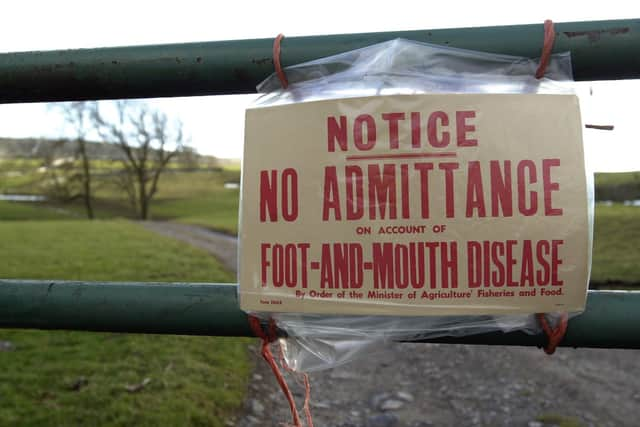

Especially as the Government has assessed the risk of an outbreak to which it would be unable to respond effectively as “very high” and above tolerable levels.
Climate change, antimicrobial resistance and changes to trading patterns are leading to outbreaks becoming more frequent.
There is an understandable haste from this Government to strike trade deals across the globe. But it must proceed with caution when it comes to biosecurity.
British farmers are busting a gut to maintain the best welfare standards, they should never be undercut by lower welfare standards nor their livelihoods put at risk by holes in biosecurity measures.
A challenge that has been highlighted that the Government needs to focus on addressing is the shortage of vets for livestock. The Animal Plant and Health Agency’s (APHA) vacancy rate for vets was 20 per cent in April 2025, this is attributed to lower salaries than the private sector, vets preferring to work with domestic animals over livestock and a post-Brexit reduction in European workers in the sector.