
The worst gift to buy anyone this Christmas is a live animal - Mimi Bekehchi
The trees are lit, carols are on repeat, and the race is on to buy something special for everyone on your list. It’s Christmas, a time when every shop claims to be selling the perfect gift. While I can’t tell you what that is, I can warn you off buying the worst gift: a live animal.
Barely a week goes by without a headline warning that the number of homeless animals in need of a family far exceeds the number of suitable homes. The RSPCA reports that companion animal abandonments in England and Wales rose by almost 25 per cent this year compared with last. The case of Rosie - a seven-year-old lurcher who was found emaciated and left for dead in Tadcaster early last Christmas morning – is heartbreakingly common.
The reasons people give up an animal vary, but many cite the cost-of-living crisis. Housing can be challenging to secure, and animals can make renting even more difficult. Food, energy, and veterinary bills are rising, and for many people in Yorkshire, it’s tough enough to feed the families they have, let alone accommodate anyone new. To compound the issue, we’re still seeing a wave of surrenders stemming from the Covid-19 pandemic, during which animals were impulsively bought to alleviate fleeting loneliness.
Despite this, breeders and pet shops continue to push animal purchases, contributing to the crisis. Adorable videos shot against a festive backdrop, promising that a puppy or kitten will bring your family ‘joy’, all plant the same irresponsible seed. Sadly, many buy the hype – and the animals – to surprise a loved one with, turning what should be a carefully considered, fastidiously budgeted life decision into a spur-of-the-moment ‘Instagram moment’.
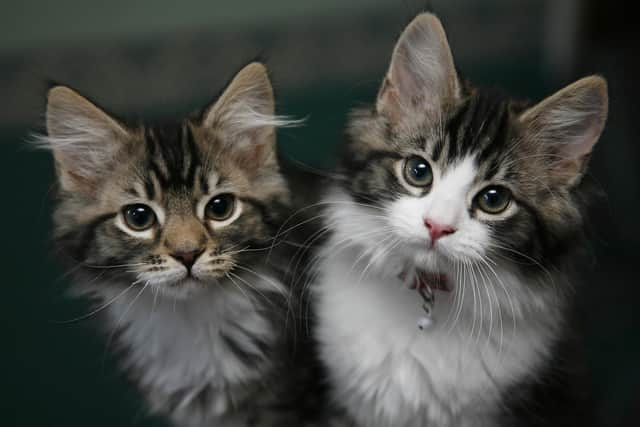

Unlike scented candles and socks, an animal can’t be returned without harm done. Most who give up an animal genuinely believe that they will go to a ‘better home’, but the harsh reality is that there’s no list of perfect homes waiting to take in unwanted animals; no magical family set to take over. For a lucky few animals, an adopter may materialise, but for many, they will spend months or even years waiting while overburdened shelters do their best to accommodate them, and some will be euthanised for lack of good homes.
Despite this, the UK’s 2,897 licensed breeders continue to collectively confine around 26,000 female adult dogs to pump out puppies. At the same time, unlicensed suppliers – which account for four in five dogs bought – also add to the estimated one million animals bought by households in the UK annually. Meanwhile, animals bred for aesthetics, such as the squashed faces sported by Breathing Impaired Breeds (BIBs) like French bulldogs and ragdoll kittens, face fatal complications.
If you’ll be the animal’s guardian and have a well-researched plan for how you’ll feed, entertain and meet their health and emotional needs for up to 20 years, then by all means, visit a shelter to adopt an animal.
But if you think that lining a breeder’s pockets and presenting someone else with vet bills for Christmas will make anyone merry, think again.
Animals are a serious commitment, and unless you’re the one ready to stick by an animal’s side throughout all seasons of life, skip the pet shop and donate to an animal rescue, or choose a stuffed companion instead.
Mimi Bekehchi is Vice President at People for the Ethical Treatment of Animals (Peta).