
Time is running out for countries to implement climate action - Dr Pedi Obani
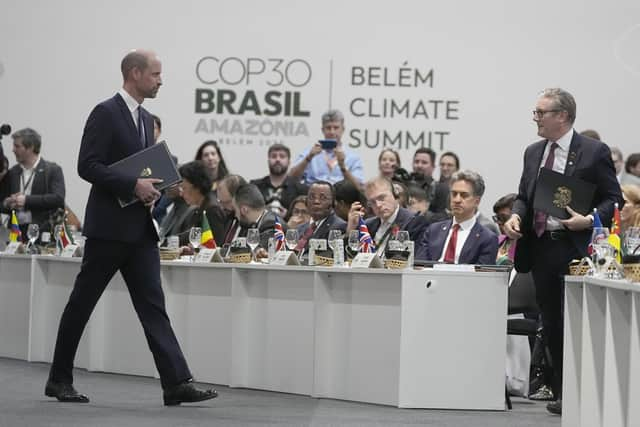
For two weeks, from November 10 to 22, 194 Parties converged in Belém, Brazil to assess progress on the Paris Agreement, present national climate plans and accelerate climate action. It was billed as the ‘implementation COP’ - the moment we would move from promises to action. Yet, as the dust settles, many will ask what did it really deliver?
Yes, the Mutirão decision signals collective effort. Yes, multilateralism survived another bruising round of negotiations. But for those already living with the harsh realities of climate change, the question remains: is this enough?
COP30 was never just another meeting. It came at a time when global temperatures are breaking records, floods and droughts are displacing millions, and the window for limiting warming to 1.5°C is closing fast. For vulnerable communities, this was supposed to be the COP that turned ambition into implementation.
One truth I keep repeating is that climate change does not affect everyone equally. Women and girls, particularly in vulnerable regions, bear disproportionate burdens – from food insecurity to displacement - yet gender-responsive action remains underfunded and under-prioritised.

Consider rural women who depend on agriculture for survival. When drought hits, they walk further for water, sacrifice meals, and face increased risks of violence. These realities rarely make headlines but they define the lived experience of climate injustice.
COP30 adopted a new Gender Action Plan, calling for gender-disaggregated data and strategies for inclusive climate governance. These are important steps but plans without investment are just words. Despite over a decade of COP decisions recognising gender mainstreaming, we still lack adequate funding for technology, capacity building and direct support for women-led adaptation. Without this, climate justice remains a slogan, not a reality.
Another critical outcome was the first-ever Declaration on Information Integrity on Climate Change, launched by Brazil, UNESCO, and the UN Department of Global Communications. In an era of deepfakes and viral falsehoods, this matters. Disinformation undermines trust, stalls policy and endangers those who speak truth to power, such as journalists, researchers and activists.
Why does this matter? Because climate policy depends on public trust. When misinformation spreads faster than facts, it erodes confidence in science and fuels delay. The declaration is a step forward, but it must translate into concrete protections and accountability. Climate action depends on credible information. Without it, denial and delay win.
COP30 reaffirmed the call to mobilise $1.3 trillion annually by 2035 for developing countries, with developed nations to provide $300bn per year. But this is far short of what’s needed – and five years later than earlier proposals. For communities already facing floods, droughts and crop failures, delayed finance is delayed survival.
On fossil fuels, the divide was stark. Over 80 Parties backed a roadmap for phase-out; oil-producing states pushed back hard. The compromise? Voluntary acceleration. In other words, more ambiguity when clarity is what the planet needs. Every year of delay locks in more emissions and more suffering for those least responsible.
COP30 advanced the conversation on just transition, gender, and information integrity. But conversations don’t cut emissions. They don’t rebuild homes after floods. They don’t protect women walking miles for water in drought-stricken regions.
Without real implementation, COP risks becoming what critics fear most: an expensive talking shop.
Dr Pedi Obani is an associate professor in Law at the University of Bradford.