
Top ten takeaways from the Education Secretary’s latest policy speech - Matt Bromley
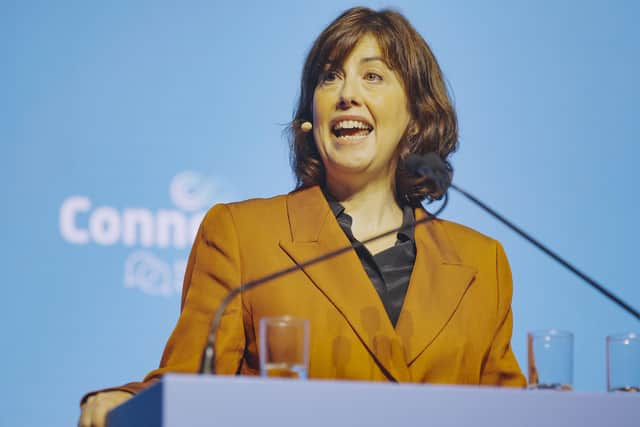
Lucy Powell’s speech at the Confederation of School Trusts Conference on October 15 offered a welcome challenge to some of the assumptions that have long shaped English education. From classroom practice to qualification pathways, her message was clear: one size does not fit all. Here are my top ten takeaways from that speech.
1. Speaking matters as much as writing. Powell wants oracy to become a distinct strand of the English curriculum, with equal status to reading and writing. The ability to articulate ideas, debate, and listen should be an entitlement for every child, not a privilege for those who grow up in households where such skills are routinely nurtured.
2. Academic success is not the only success. Plans for new vocational GCSEs and broader technical pathways could help dismantle the damaging hierarchy that too often places academic qualifications above practical achievement.
3. The curriculum needs room to breathe. Powell wants greater depth, stronger practical learning, and more opportunities to develop creativity and technological understanding. The challenge is to achieve this without weakening the foundations of literacy, numeracy, and critical thinking.

4. Inclusion must count. The promised £4bn in additional SEND funding over three years, alongside the expansion of the Experts at Hand offer, is significant. But money alone will not fix a system under strain. Schools need timely specialist support, sufficient expertise, and practical help to meet pupils’ needs.
5. Exclusion deserves closer analysis. Powell is right to examine what happens when pupils are removed from mainstream education and how they are helped back. Maintaining standards of behaviour is crucial, but so is preventing disengagement from becoming permanent...especially with over a million NEETS.
6. Accountability should reward the right things. Further reforming Ofsted and school evaluation to recognise context, inclusion, and pupil progress could be a major step forward. Schools should not be punished for educating children with complex needs. Nor should collaboration be crowded out by competition.
7. GCSE resits need a rethink. Foundation qualifications could offer young people, particularly those struggling with maths, a more constructive route to recognised achievement. Repeating the same examination without addressing the underlying problem is not a strategy; it is a holding pattern.
8. Enrichment must reach everyone. Music, debating, sport, engineering, and the arts should not be extras reserved for pupils whose families can afford them. These experiences build confidence, curiosity, and belonging — qualities no league table can adequately capture.
9. Education must join up. Better transitions from early years through school and into employment, supported by local partnerships and stronger links with employers, could make the system less fragmented and more responsive to families and communities.
10. Schools need a grown-up conversation about AI. Artificial intelligence presents real challenges for assessment and workload, but also opportunities to improve learning.
Taken together, Powell’s proposals suggest a broader, more inclusive vision of education — one that values different talents and recognises that schools do far more than prepare pupils for examinations. But announcements are the easy part; funding must reach the front line, qualifications must command respect, and accountability reform must change what schools experience in practice.
Matt Bromley is CEO of bee and chair of the Building Equity in Education campaign. He is the author of numerous books on education. Find out more at http://bee-online.uk