
Tourism tax is last thing Yorkshire's seaside businesses need: Andrew Vine
Another tourism season has ended at Yorkshire’s coast after its last really busy week of the year, the autumn half-term school holiday.

It is time for the owners of businesses which rely on visitors to add up their takings to get a picture of how successful this year has been, have a breather over the winter, and maybe take a holiday of their own.
But even if 2026 brought them a successful summer, there are many in the tourism industry along our coast worried about the future. They told me as much during a long weekend just spent in Scarborough.
Everybody I chatted to who ran a pub, accommodation, cafe or restaurant was at best cautious about what lies ahead and at worst downright pessimistic.
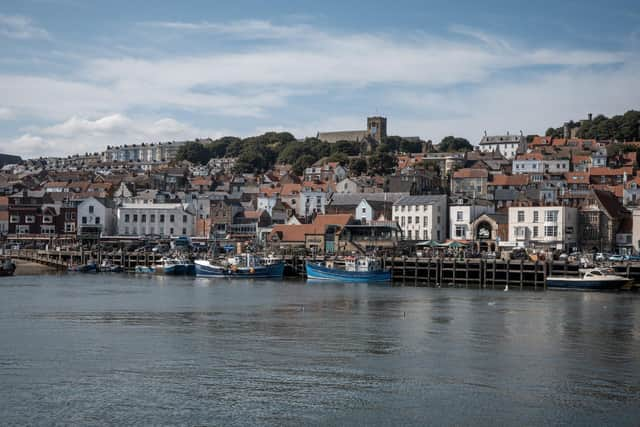

And for all of them, the reason was the same – the looming tourist tax, or as the government insists on calling it, the “visitor levy”, which is presumably intended to make it sound less of an imposition on those taking a break and the people who make their living from them.
There are some big numbers – and some worrying ones - swirling around this new tax, which was laid before Parliament last week, and is likely to be introduced in 2028.
For Yorkshire, the really big number is £26m, which the Mayor of York and North Yorkshire, David Skaith, believes could be raised by a five per cent tax on stays on his patch, the heartland of our county’s tourism industry.
The worrying numbers come from trade body UK Hospitality, which believes the tax could result in 33,000 jobs being lost and a £2bn hit to the economy.
The business owners I talked to in Scarborough, Whitby and Filey don’t talk in millions of pounds, or thousands of jobs. They are independent, mostly small, traders like the thousands of others which make up so much of Yorkshire’s tourism infrastructure.
They don’t have corporate financial reserves to see them through hard times.
For them, a relatively small dip in their income could make the difference between remaining in business and having to shut up shop, and that is why they are so concerned about a tax on visitors, because it will come on top of increasing costs which are already making guests think twice about taking a break at the seaside.
The owner of the apartment I stayed in at Scarborough is already seeing her income suffer because of the cost of living. Guests are booking shorter breaks than they did even a couple of years ago, and there has been a notable shrinkage in the number of people staying outside the peak summer months.
It’s a similar story for those making a living from food and drink. A café owner told me his trade has fallen because he’s had to increase prices. Wholesale costs for food have risen, as have the gas and electricity to cook it.
And the staff who cook and serve it up are costing more because his national insurance bill has increased.
The same applies to a pub and a restaurant where I got talking to the owners.
Both have reduced staffing and their opening hours to try to keep costs down, and they’ve noticed that regular holidaymakers who used to come in several times a year aren’t arriving as often.
The views of business owners like these must be listened to. They are at the sharp end of an industry that is hugely important to Yorkshire, know their customers and are acutely aware of the effect the pressures on them can have on the tourist trade.
Rising household bills, the cost of filling the car with petrol or diesel and higher parking charges at the coast are all factors that can make the difference between visitors booking accommodation at the seaside and eating out or opting for a day trip and bringing a packed lunch.
Many of the Yorkshire residents who make up so much of the coast’s trade are far from affluent. It won’t take much upward price pressure to make them decide – however reluctantly – that they can’t afford a weekend break, let alone a week away.
If the economy was booming and those people felt they had plenty of money in their pockets, a new tourist tax probably wouldn’t matter much. But that is very much not the case.
Energy bills are about to shoot up once again, fuel costs show no sign of coming down and food inflation is on a rising trend. People are having to think about every penny they spend, and the luxury of a few days away will be one of the first things to be cut. No wonder the business people I spoke to at the coast are worried. The last thing they and their customers need are additional costs in the form of a tourist tax.