
Waiting for a clearer political picture would be a mistake by Yorkshire firms - Alex Kenworthy
The postponement of the much-anticipated UK-EU ‘reset’ summit has inevitably prompted another round of debate about Britain’s relationship with our European neighbours. The summit had been expected to advance discussions on trade, agri-food cooperation and wider economic ties before being delayed amid political uncertainty.
For some Yorkshire businesses, the delay may reinforce a temptation to sit on their hands: to wait until the political picture is clearer before pursuing opportunities in Europe. That would be a mistake.
For decades, overseas businesses have demonstrated a remarkable willingness to invest in the UK despite political uncertainty. I have seen it first hand as a lawyer acting for overseas investors acquiring Yorkshire businesses. French, German and other European buyers have continued to acquire British companies through Brexit negotiations, changes of government, leadership contests and regulatory upheaval. They have not waited for perfect conditions. Instead, they have focused on what ultimately matters in any acquisition: the quality of the business, the strength of management, strategic fit and long-term value creation.
The numbers tell their own story. The UK remains one of the most attractive destinations for foreign direct investment in Europe. Overseas buyers continue to view British businesses as innovative, well-governed and internationally competitive. A fluctuating political backdrop has rarely deterred serious investors.
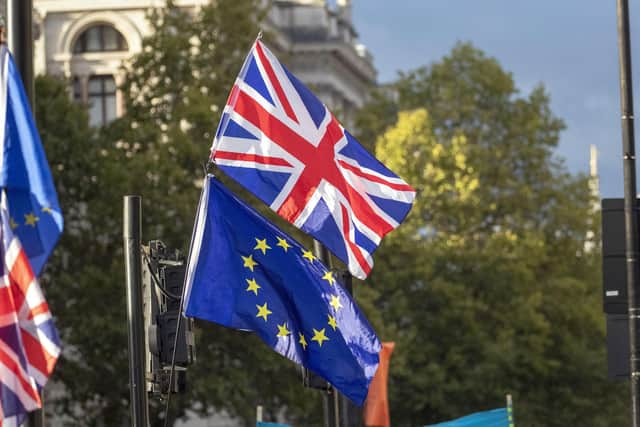

The more interesting question is why the reverse has not been equally true.
Why have relatively few businesses in Yorkshire, and the UK more generally, been prepared to acquire on the Continent compared with the enthusiasm shown by European buyers targeting UK assets? What are we afraid of?
Part of the answer I think is cultural. Many British businesses, particularly mid-market companies, remain more comfortable operating in English-speaking jurisdictions or within familiar legal frameworks. Europe can still be perceived as fragmented, with different languages, employment regimes, tax systems and regulatory requirements.
Yet continental acquirers manage these differences all the time.
German and French businesses routinely cross borders, acquiring companies across multiple jurisdictions as part of their growth strategy. They accept complexity as the price of expansion. British businesses are often more cautious. That caution can come at a cost.
European markets represent hundreds of millions of consumers and some of the world's leading industrial, manufacturing and technology hubs. For ambitious UK businesses, acquisition can be one of the fastest routes to securing market access, obtaining local management teams, enhancing supply chains and accelerating growth.
Indeed, the very uncertainty surrounding UK-EU relations arguably strengthens the case for strategic acquisitions in Europe.
Of course, political developments matter. Businesses should monitor changes in trade arrangements, regulation and market access. But successful acquirers have never allowed politics to become an excuse for inertia.
You can argue that had European investors adopted that approach, many of the most successful acquisitions of UK businesses over the past decade would never have happened.
Alex Kenworthy is a partner at Mills & Reeve.