
War in Iran shows structural supply-side reform needed of energy - Cyril Davydenko
To no one’s surprise, the US-Israeli operation against Iran has had a sudden and dramatic impact on world oil prices. From a pre-crisis level of just $73 per barrel, it briefly surged to $120 before dropping back to around $90 shortly after Donald Trump hinted the war might soon end.
While it may prove temporary, this price shock has once again exposed the weaknesses of Britain’s energy policy — weaknesses that should be addressed largely through structural supply-side reform.
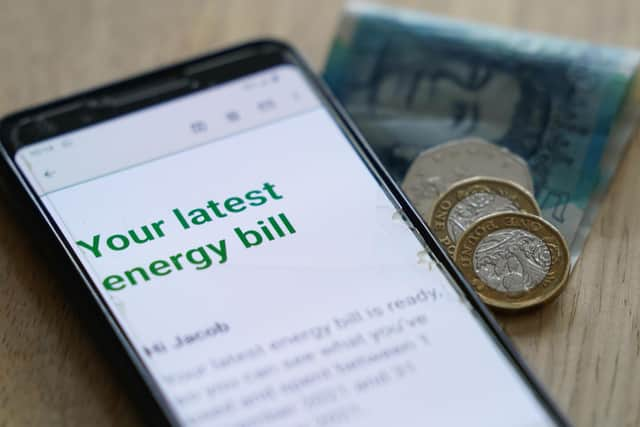
The impact on energy bills will not be immediate, as the energy price cap currently limits annual energy costs to £1,641 for most households. However, that protection is temporary, with the cap set to expire at the end of June.
Whilst it is impossible to predict the course of the war or the resilience of global supply chains, one thing is already clear: the typical annual energy bill will rise, probably by around £500 — a shock that will fall hardest on low-to-middle-income households.

The truth is that energy costs have been a longstanding drag on Britain’s living standards. The UK now faces some of the highest energy prices in the developed world — around 46 per cent above the median of 28 advanced economies monitored by the International Energy Agency. Crucially, the situation has deteriorated sharply over the past 16 years.
Unsurprisingly, low-to-middle-income households have been hardest hit, as they spend a far larger share of their disposable income on energy than wealthier households.
In our latest report, Bright Blue argues that to improve living standards for low-to-middle-income households, central government must focus on lowering essential costs, rather than only focusing on boosting incomes. Energy is one of the key areas where supply-side reform can make a real difference.
The instinctive response to the rising energy costs may be to focus solely on expanding energy supply. This is not to deny that energy abundance has a key role in ensuring fair and accessible energy, and the Starmer Government’s investment in offshore wind and small modular nuclear reactors is most welcome.
However, even if the supply of energy were to increase drastically, two other key drivers of high energy bills would remain: the price-setting role of wholesale gas and the non-commodity costs levied by suppliers.
First, on the role of wholesale gas prices. Currently, the price of energy is set by the most expensive source of electricity in use, which is often gas. In 2024, gas accounted for around 30 per cent of British electricity generation, yet it drives the overwhelming majority of price-setting because it is far more expensive than other sources. This inflates energy bills and largely negates the benefits of the expanding renewable energy sector. This is why we called on the government to set up an Electricity Pricing Commission to decouple electricity prices from wholesale gas prices within the next three years.
At the same time, it is crucial to address the impact of non-commodity costs on energy bills. These include all expenses associated with delivering energy to consumers beyond the price of fuel itself, such as VAT, environmental policy costs, and the maintenance of the electricity grid amongst others. Somewhat counterintuitively these costs account for over 60 per cent of your average energy bill.
Crucially, in recent years non-commodity costs have been responsible for the bulk of the increase in energy bills. Octopus Energy has warned that even if wholesale prices were to halve over the next four to five years, electricity prices for typical households would still be around 20 per cent higher than they are today. This means that, even with abundant, affordable energy and no exposure to geopolitical shocks, energy bills would still be rising because of non-commodity costs.
Importantly, some policy costs — known as standing charges — are added to energy bills regardless of how much energy a household consumes. This makes them regressive, as electricity consumption tends to rise with income. Moreover, the Committee on Fuel Poverty said that this system means that “those least able to pay are being disproportionately charged for net zero”.
Chancellor Rachel Reeves’s decision to remove green levies from domestic energy bills was a step in the right direction, but more can be done to further help low-to-middle income households.
A more radical solution would be to shift much of these non-commodity costs into general taxation. This would reduce energy bills and leave lower-income households better off overall, even if it meant some paying slightly higher taxes. However, we also propose less politically contentious measures. These include calling on Ofgem to proceed with the introduction of a new price cap variant with a single per-unit rate and no daily standing charge.
Bright Blue's latest report is 'Higher ground: A centre-right vision for raising living standards'
Cyril Davydenko is a researcher at the Bright Blue think tank.