
We can’t build a better world by silently standing aside - Daxa Patel
Inside every one of us lives a force stronger than fear, judgment, or silence—the innate goodness that calls us to protect, to speak up, and to stand for those who cannot stand for themselves. When we shrink back, afraid to rock the boat or risk being branded troublemakers, we unintentionally become part of the problem, the ongoing harm, the betrayal of our shared humanity.
There are two universal facts of life: we are born, and we die, without exception. Our perception of how things are in our lives needs perspective.
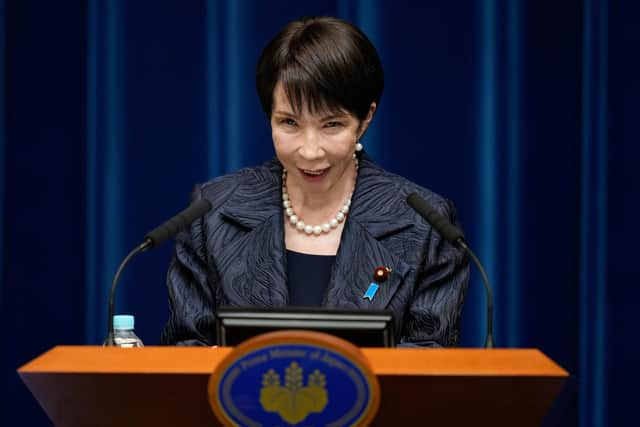
This week, as Japan welcomes its first female leader - a triumph in a traditionally male-dominated world we celebrate progress. We saw our first female Prime Minister in Margaret Thatcher in 1979, and now Japan will, no doubt, celebrate its own breakthrough. But progress in male-dominated workplaces is only part of the story.
Alongside this progress, victims of grooming gang scandals are stepping down from inquiries out of fear that the truth will remain buried behind cover-ups. These realities coexist: hope and failure, triumph, and pain. Beneath these stories lie lives of ordinary people who have endured extraordinary circumstances.

How we treat and protect those in our care speaks volumes about our values. When girls and women suffer neglect or abuse, it is usually because people around them, men and women alike, have failed in their duty to support and protect.
At the start of the new year in the Hindu calendar, Vikram Samvat 2082, we reflect on our blessings: the simple acts of waking, breathing, and walking our dogs that so many cannot do. Our four-legged companions show grace in adversity, reminding us that intelligence does not exempt us from compassion. For me, Diwali and the new year bring mixed emotions of sadness and emptiness, feelings many will recognise, especially around Christmas, as they miss loved ones no longer with us physically. Yet this shared pain binds us.
Modern media brings distant suffering closer to home; we can choose to be overwhelmed or moved to vigilance. The horrifying allegations about what harm was caused to young, vulnerable women by convicted individuals like Epstein remind us of the price of silence. The rich, powerful, and those entrusted with care must uphold responsibility and respect. When secrecy and complicity rule, humanity suffers.
We have societal polarisation and moral courage at stake. Our society today wrestles with a dangerous divide. On one side, the desire to be politically correct and avoid discomfort; on the other, the desperate need to expose truths and protect the vulnerable. The controversy around acknowledging ethnicity in grooming gang scandals highlights this painful tug-of-war.
Choosing silence or euphemism to avoid accusations risks perpetuating harm. True courage lies not in evasion but in facing these difficult realities head-on.
Just as knives and poisons can be too easily bought online, our societal defences have grown porous. The debate between tighter regulation and trusting self-regulation mirrors how we must hold ourselves accountable, to speak out, to be vigilant. Without collective resolve and action, the darkness creeps in through every crack.
We have to close this expansion by connecting back to shared humanity to regain trust in our shared humanity, and the collective good.
This ongoing struggle between silence and speech, denial and truth, polarisation and unity are the battleground of our shared humanity. Only by stepping up, by risking the discomfort of difficult conversations, can we stop the ongoing betrayal of our values and protect the most vulnerable among us.
Amidst the darkness, countless stories stand as beacons of hope, testaments to the innate goodness and incredible potential within us. Take, for instance, a remarkable brain surgery performed on a woman with Parkinson’s disease while she was consciously playing the clarinet, a daring, inspired feat of science and human courage. This near-miracle highlights what becomes possible when humans refuse to accept limits and unite with purpose.
Or the image of a woman conquering a half-marathon while pushing a buggy, embodying determination, love, and tenacity. Acts like these remind us that heroism is not reserved for the headlines alone. It lives in everyday choices, to keep going, to rise after a fall, to serve others.
Each act of courage, however small, rewires the collective consciousness away from surrender and toward action. These everyday warriors teach us that shrinking back is not our only option, and certainly not our destiny.
So, the question is not only about what has happened or who was involved, it is about who we choose to be. Will we be protectors or bystanders? Will we risk discomfort, social judgement, or being branded troublemakers to defend those who need us most?
Daxa Manhar Patel is a leadership coach, author and solicitor.