
We need a rethink over how elderly people are cared for - Daxa Patel
Survival of the fittest might define the natural world, but what of our duty to those who need our support? Recent reports of an elderly woman stranded on an Australian cruise ship, who tragically died on a remote Great Barrier Reef island, reveal not only human error but also a callous failure of basic common sense by those responsible.
Sadly, this flippancy towards the elderly, particularly the frail, is not uncommon here in the UK. The disturbing news of elderly patients left to soil themselves in Accident and Emergency wards reflects a broader neglect demanding urgent cultural change among all entrusted with care. While the immense pressures the NHS faces are well-documented especially in A&E this is no justification for leaving vulnerable, frail, elderly patients unattended on trolleys in corridors for hours on end. Such scenes resemble war zones rather than places of healing.
People over 90 are especially prone to falls and more likely to require urgent medical attention. Yet the urgency and attention they receive or fail to often betray a shocking indifference. This is a national disgrace. Many elderly individuals have multiple health issues, including mobility limitations that prevent them from accessing basic needs such as using the restroom. Does this justify neglect?
Elder abuse is not confined to profit-driven care and nursing homes charging extortionate fees often unrelated to the quality of care, dignity, or support they offer. Families who entrust their loved ones to these establishments share the blame if they equate ‘professional care’ with genuine attention and compassion.
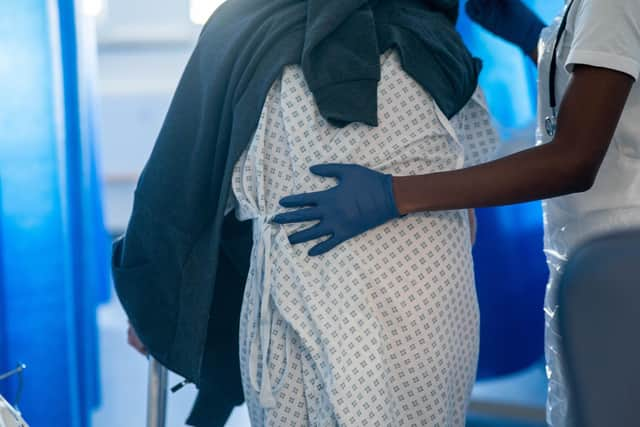

Reports of NHS patients left lying in urine-soaked beds or elderly residents suffering repeated falls in care homes are not isolated incidents. They expose a societal failure to hold those responsible to account for these inhumane breaches against our most vulnerable citizens - people who deserve nothing less than respect, love, and dignity.
Meanwhile, political debates over tax and deficit distract us from confronting the inadequacies of social care for the ageing population. We live in a society that hastily labels someone as ‘old’ once they reach 60 but drags its feet when offering the support truly needed. This paradox of inconvenience plays out disturbingly often: families place relatives in care homes because they cannot offer the necessary involvement themselves, only to resort to installing cameras to expose abuse - a grim testament to how little we truly understand what happens behind closed doors.
The NHS regularly publishes data on avoidable deaths, predominantly affecting babies and the elderly. Why these groups? Because they lack the ability to advocate for themselves.
The Care Quality Commission’s (CQC) latest report for 2024/2025 highlights alarming areas of concern. Charged with ensuring quality across GP practices, hospitals, care and nursing homes and home care services, the CQC shows that only half of patients surveyed who required assistance received it promptly. Furthermore, only half found accessing their GP straightforward leaving many isolated and suffering without timely support or treatment.
Social care provision has dramatically declined: in the early 2000s, one in 12 people received council care; now it is one in 27. Demand for A&E services has surged, with nearly two million people spending over 12 hours waiting for admission or discharge. Older adults and those living in deprived areas are disproportionately likely to be readmitted to hospital within 30 days of discharge.
As dementia diagnoses rise, the specialised needs of these patients are often poorly understood or inadequately addressed by health and social care staff. The use of Deprivation of Liberty Safeguards, intended to protect those unable to make decisions for themselves, is increasingly applied to older people with dementia. This often leads to unjustified restrictions on their freedom under the guise of ‘safety,’ compounding their distress.
The CQC report offers no solace. While the audit is a step, it falls short of robustly safeguarding vulnerable individuals or enforcing necessary reforms.
There is hope in technological advances such as artificial intelligence and robotics, but these cannot compensate for the urgent need to elevate human attitudes and standards of care. From A&E units to care homes, GP surgeries to home care services, a shift from substandard to fundamental care is desperately overdue.
There is, admittedly, a small sliver of hope on the horizon. Properly implemented artificial intelligence and care robots, such as those currently being trialled in Japan, could revolutionise elderly care. I look forward to a future where a robot assists me in old age, supporting my mental, physical, and overall wellbeing. Given the current state of affairs, I might even trust a robot more than a human caregiver. While AI can certainly assist, ultimately the responsibility rests with us all, especially those in the caring professions to lift their standards and attitudes. As long as substandard care continues unchecked and unchallenged, we cannot settle for anything less than excellence. Our elderly citizens deserve dignity, respect, and the highest quality support we can provide.
Daxa Manhar Patel is a leadership coach, author and solicitor.