
Why Britain needs to re-evaluate its relationship with water - Ismail Mulla
As an island nation our relationship with water ought to be a lot more respectful than it currently is. We’ve allowed politicians to take their eye off the ball and that in turn has led to water companies trashing the environment.
Sewage is being pumped into our waterways at record rates. It is not only a reminder of the failure of privatisation - even the most ardent capitalist cannot argue that it has resulted in the investment that was used as justification for handing over vital infrastructure to private companies.
There is also growing development that has done damage to the quality of our rivers. England’s rivers are said to be in a parlous state, with just 14 per cent in good ecological health – as a result of sewage pollution and run off from agriculture, roads and towns.
While there is a moral obligation for looking after the environment, the economic benefits of doing so are often overlooked.

Every pound invested in restoring rivers can deliver £7 in benefits, according to conservationists.
Restoring rivers across whole catchments from their sources in upland areas to the sea can deliver a myriad of economic benefits, from reducing flooding and improving water quality to storing carbon and supporting farmers to manage land for nature, the Wildlife Trusts said.
The Rivers 2040 Vision found that an estimated investment of £43m a year over the next 30 years could generate approximately £10bn in economic benefits over that time.
Dr Rob Stoneman, director of landscape recovery at Wildlife Trusts, said: “Just as we invest in motorways and pylons and pipes and HS2 as critical infrastructure, we’ve got to invest in nature as critical infrastructure because it’s nature that’s actually going to protect us from drought, it’s nature that’s going to protect us from flooding.
“It’s nature that underpins agriculture, it’s nature that underpins regeneration.”
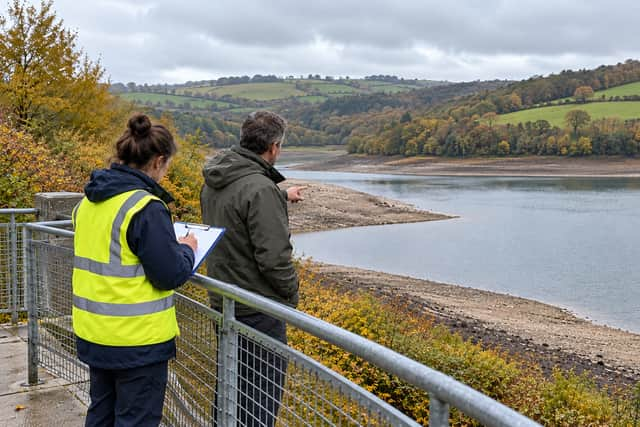
At a time when the climate crisis is having a very real impact on communities in this country, it is hard to argue with this rationale. The declaration of drought for Yorkshire in October is evidence enough. And given the economic mire that Britain finds itself in, it would be foolish to leave £10bn on the table.
It isn’t just rivers that we have to carefully consider the future of. If sewage is continually pumped into the sea we’ll see more and more beaches at risk from being deemed too hazardous for people to enjoy for leisure purposes. The tourist economy would be undermined.
There is also the issue of water safety. As heatwaves become more frequent, increasingly young people find themselves getting into trouble with sometimes tragic circumstances. Earlier this year, Olympic swimming star Baroness Sharron Davies pointed to how the sport of swimming was disappearing off our televisions and pools were closing at “an alarming rate”.
The All Party Parliamentary Group on Swimming published a report this year, which warned only 74 per cent of children can swim 25 metres by the time they leave primary school. The research also found more than 1,200 pools currently operating are more than 40 years old and potentially at the end of their lifespan.
It’s not just about equipping people with the right skills so that they can get themselves out of trouble but also ensuring that they show the right level of respect for the environment. Even accomplished swimmers can find themselves getting into trouble when they misjudge the environment. There needs to be a greater public awareness campaign, aimed especially at young people, to ensure that more lives are not lost unnecessarily.
Finally, a serious conversation is also needed on ensuring the plentiful supply of clean drinking water. The water companies keep pleading poverty when it comes to their failure to invest in the infrastructure. Whether their claims hold any water, pardon the pun, or not doesn’t matter. The issue still remains that the infrastructure is on shaky grounds and supply is at risk.
Either the water companies start delivering the infrastructure, and fast, or the Government takes over and makes the much needed investment. Otherwise we risk the taps running dry. There are some who believe that desalination plants ought to be back on the agenda but there is understandable environmental opposition to these due to their energy intensive nature. And there is a question mark over how effective they can be.
The country has taken water for granted but whether it is the supply, cleanliness or safety around it, Britain needs to reevaluate the nature of its relationship with arguably the most precious resource on this planet.