
Why gilt yields are outpacing the Liz Truss era and why we need them to drop - Alan Lazenby
As I reviewed Chancellor Rachel Reeves’ Spring Statement last week, one figure kept jumping out at me: the 10-year gilt yield, now hovering around 4.8 per cent according to the Office for Budget Responsibility (OBR).
That’s higher than the peak of 4.5 per cent we saw during Liz Truss’s infamous mini-Budget in September 2022. Back then, markets panicked over unfunded tax cuts and yields spiked. So why are they even higher now, and why does it matter so much that they come down? Let’s unpack this for your finances.
First, the ‘why’. During Truss’s tenure, gilt yields soared because her £45bn tax cut plan, announced without a clear funding strategy, spooked investors. The market feared unchecked borrowing, and the Bank of England had to step in with emergency bond-buying to calm things down.
Fast forward to today, and the drivers are different but no less troubling. Reeves inherited a tricky global picture—Trump’s tariffs and the Ukraine war have pushed energy and borrowing costs up worldwide. The OBR notes that gilt yields have risen across advanced economies since September 2024, with UK 10-year yields jumping half a percentage point above October’s forecast.
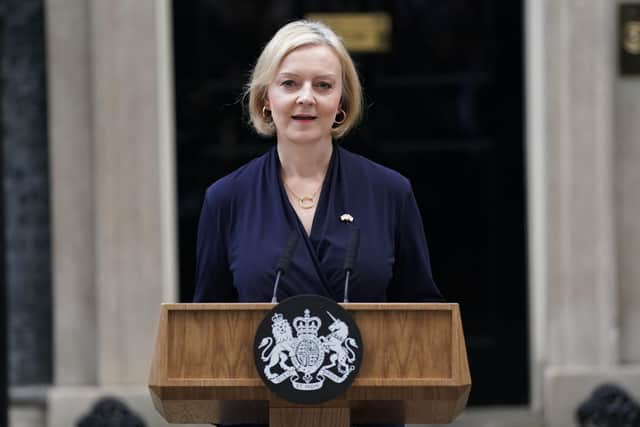

Add to that Reeves’ October 2024 Budget, which loosened fiscal rules to borrow £32bn more annually and markets are jittery again. Unlike Truss’s sudden shock, this is a slow burn - yields have crept up steadily, reflecting global pressures and domestic policy shifts.
So why haven’t we seen the same hysteria? Context matters. Truss’s spike was a 1.2 per cent jump in days; today’s 4.8 per cent reflects a broader, less UK-specific trend. The pound’s held steadier too - down just 1 per cent recently versus an 8 per cent plunge in 2022.
Still, these elevated yields are a quiet menace. They’re the rate the government pays to borrow, and at 4.8 per cent, they’re costing us dearly on our £2.7 trillion debt pile. A quarter-point rise adds £6.7bn to annual interest, money that could fund schools or hospitals instead.
For you and my clients, this hits closer to home. Higher gilt yields push up mortgage rates - swap rates, which banks use to price fixed deals, track them closely. After Truss, two-year fixes leapt over a percentage point; now, they’re nudging up again from 5.39 per cent last month. If yields don’t fall, expect more pain for homeowners and first-time buyers. Pension funds, still scarred from 2022’s LDI crisis, also suffer - higher yields mean lower bond values, squeezing returns.
Why is it critical they drop? Simple: affordability. Reeves’ £9.9bn fiscal buffer from October is now razor-thin - some estimate it’s down to £1bn - thanks to these borrowing costs. If yields stay high, she’ll face a grim choice: cut spending (think NHS or welfare), raise taxes (already at a 70-year high), or borrow more, risking a Truss-style backlash. Falling yields would ease this pressure, freeing cash for investment - her £3.25bn Transformation Fund and housing reforms need it. For you, it means cheaper loans, stronger pensions and less tax creep from frozen thresholds.
I’m watching this closely. Global factors like US rates or inflation could keep yields stubborn, but if Reeves convinces markets her plans boost growth - like the OBR’s 0.2 per cent GDP lift from housing - confidence might return. Until then, let’s talk strategy: lock in rates, max out ISAs and brace for a bumpy ride. Your finances deserve it.
Alan Lazenby is managing director of Lazenbys Financial Services.