
Why I was left distressed by the broadcast of animal suffering - Daxa Patel
The news media carries a vital responsibility, yet the BBC seems to have lost its moral compass. Recently, I sent a complaint after watching a live broadcast on August 4, where presenter Rita Chakraborty warned viewers about graphic footage of kittens and cats being hurt.
While the warning was appreciated, I question the necessity of showing such distressing images. Could the story have been told effectively through words alone? As a newspaper columnist and a dog human, I was deeply disturbed by the coverage.
The thought of innocent animals suffering is heart breaking. The media’s role should be to raise awareness and inspire action - not to shock or traumatise viewers. Many, especially older people who rely on the BBC for companionship, may be left with sleepless nights and nightmares after seeing such images. This approach feels like a betrayal of the trust placed in public broadcasters.
The online world remains largely unregulated, allowing animal abusers to share horrific content with little consequence. Those who harm voiceless animals like cats and dogs deserve the severest punishment, yet online platforms often fail to enforce their own policies. This gap in accountability is deeply troubling.
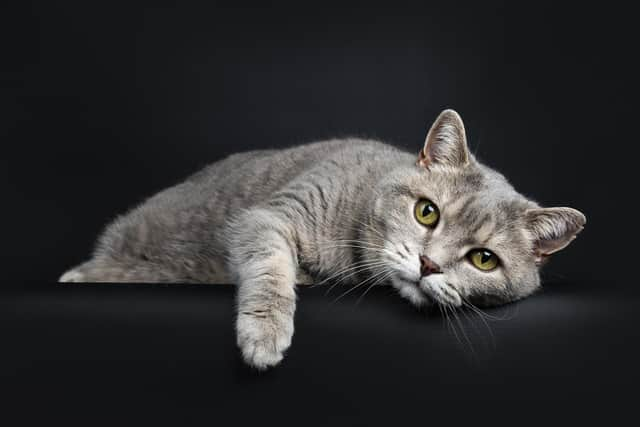

We are a society that experiments on animals to develop medicines for humans, yet when treatments exist that could help ‘pets’, they are often unavailable because animals are still seen as possessions rather than living beings. I once thought of my German Shepherd as a pet, but I now see him as a living, breathing soul - often more enlightened than myself.
A friend recently told me about an XL bully dog being put down because its owner feared police persecution. We claim to be a civilised country, yet we tolerate cruelty and fear-driven decisions that harm animals. Professor Noel Fitzpatrick has highlighted how humans and animals share similar anatomy and many human medicines could benefit our animal family members. However, collaboration between human and veterinary medicine remains limited, which is a missed opportunity for both.
Professor Fitzpatrick’s charity, the Humanimal Trust, works to bridge this gap by promoting collaboration among vets, doctors, and researchers to benefit both humans and animals through sustainable medical progress - without sacrificing animal lives. This ‘One Medicine’ approach is urgently needed to address the inequities in care.
Veterinary practices, though staffed by caring professionals, often operate as businesses with high costs. A simple painkiller can cost £50, and an elbow repair may reach £5,000. This raises a difficult question: what truly separates a society that experiments on animals for human benefit from one that allows animal abuse and cruelty? The line is thinner than we like to admit.
Raising awareness of injustice is essential, but it can be done without graphic images. News outlets, driven by 24/7 cycles, often struggle to balance truth with sensitivity. Nine out of ten older people living alone may have the BBC as their only companion and exposing them to graphic images of suffering - whether of animals or children in conflict zones - can cause real psychological harm.
In today’s world of 24/7 news and the massive invasion of online content, many people face a difficult reality. Some have limited choices about which news channels they can watch, while others are overwhelmed by an endless stream of information online. Both situations carry the risk of emotional overwhelm and depression. The rapid expansion of online platforms has outpaced the development of effective regulation, allowing anyone to contribute content - sometimes without regard for truth or compassion. This flood of graphic images and harsh words takes a toll on mental health, disrupting sleep and dimming hope for the future. I know this personally. Watching distressing news can leave me feeling drained and anxious, and I imagine many others feel the same.
So, what can be done? The news media must ask itself: can this story be told in a way that informs and inspires change without causing emotional harm? Is there a way to raise awareness while protecting the wellbeing of viewers? These questions are not about avoiding difficult truths but about delivering them with care and responsibility. As consumers, we can also choose how and when to engage with news, setting boundaries to protect our mental health. Together, the media and audience can foster a culture of compassionate awareness - one that honours the truth while nurturing hope.
Take the ongoing crisis in Gaza, for example. Graphic images of suffering children are heart breaking and raise awareness, but they also risk traumatising vulnerable viewers. The conflict, fuelled by political failures and prolonged hostage situations, demands careful, compassionate coverage. Responsible journalism means delivering the truth with empathy, avoiding sensationalism that deepens trauma.
Daxa Manhar Patel is a leadership coach, author and solicitor.