
Why it is totally misguided to assume only mega forces can deliver effective policing: Jo Coles
Nobody in UK policing wants criminals to win. When senior leaders suggest otherwise, it is worth asking what they hope to achieve. Mayor David Skaith and I are incredibly proud of North Yorkshire Police. It serves England’s largest geographical policing area, from York to the coast and across rural communities.
Neighbourhood policing, prevention and partnership working remain central to its approach.
North Yorkshire Police already works regionally and nationally to tackle serious and organised crime, county lines, cybercrime and exploitation. Collaboration does not require the abolition of local policing identities. It requires strong leadership, clear governance and a willingness to work together. Policing absolutely needs more resources – and those efficiencies need to be driven at a national level.
But the assumption that only mega forces can deliver effective policing is totally misguided and undermines all the work taking place to rewire the state in every other policy area. Here’s why:

First, Mayors are well placed to bring partners together. Tackling child online exploitation requires national expertise and police, probation, youth justice, children’s services, safeguarding, housing and health working closely together at a local level. Mayors can unite these agencies to address the causes of crime and prevent harm.
In North Yorkshire, we work closely with the Regional Organised Crime Unit. We need to invest more in regional collaboration, but not at the expense of local delivery. Aligned boundaries support prevention, neighbourhood policing and criminal justice partnerships.
Sir Mark Rowley is right that crime is changing. Cybercrime, online fraud, child exploitation and organised networks present new challenges. Criminals cross force boundaries and operate internationally.
But that does not mean ever larger forces are the answer. Complex crime demands national capabilities, regional collaboration and strong local intelligence, not mega police forces. Protests at Drax power station or against fracking proposals require a different approach from a march through central London. Local knowledge is essential, particularly when resources are limited.
Second, size is not everything. Are we looking at budgets, officer numbers or square miles? North Yorkshire covers five times the area of the Metropolitan Police, with a fraction of its officers and budget. We need technology and systems that work efficiently in rural communities as well as towns and cities. Serious organised crime exists here, often hidden in rural areas. The response here must reflect our local circumstances.
With 6,000 miles of roads and seasonal pressures every summer, we know the importance of tackling cross border crime. Work by North Yorkshire Police and partners has dismantled 23 county lines in the last two years, with prosecutions resulting in more than 74 years of prison sentences.
Third, regional collaboration already works. Our officers work across Yorkshire and the Humber on organised crime, exploitation, cyber threats and major investigations. Specialist capabilities already operate regionally and nationally. There is no clear business case that the dismantling local forces would improve this.
Rural crime costs have fallen by more than 38 per cent in two years, thanks in part to our dedicated rural taskforce. Would a larger force give this local priority the same attention or would resources be pulled into urban areas with different threats and risks?
A National Police Service could strengthen the response to national and international crime, including fraud and online child exploitation. Better governance of regional collaboration also makes sense. But mergers bring costs and disruption. Money spent on unnecessary restructuring will not improve frontline policing and pulls focus.
Fourth, performance matters more than organisational size. If bigger automatically meant better, the largest forces would consistently outperform the rest. They do not. The real test is whether forces prevent crime, protect vulnerable people, catch offenders and maintain public confidence.
Finally, public accountability must remain central. Hillsborough, Orgreave and the murders of Sarah Everard, Bibaa Henry and Nicole Smallman all damaged public trust. Most officers serve their communities with great honour and integrity, but the public must know policing always acts in their interests. Clear accountability is essential.
Policing cannot defeat modern crime alone. We need every partner around the table, all shoulders to the wheel; with Mayors helping to lead the response. Police reform will not create another police officer, shorten our 6,000 miles of roads or remove the demands of 32 million visitors into York and North Yorkshire.
The test is not how policing could be organised differently. It is whether changes will make the public safer. Until that case is made with evidence rather than assertion, our priorities should be neighbourhood policing, investment in technology, tackling organised crime, effective regional collaboration and strong public accountability.
That is the focus of Mayor David Skaith and I in our work to make York and North Yorkshire safe for everyone. We remain determined to ensure criminals are always on the back foot, whatever the size of the police force.
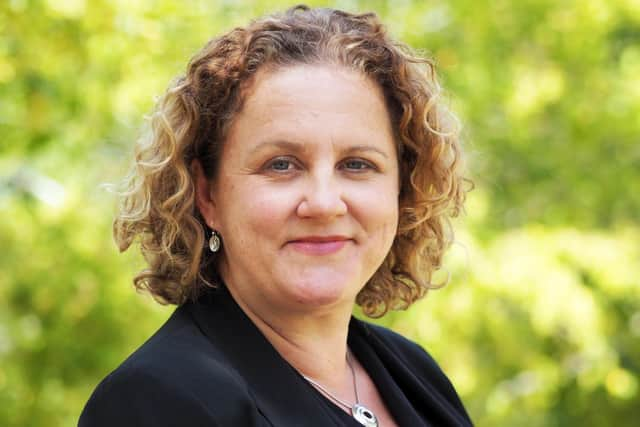
Jo Coles is Deputy Mayor for Policing, Fire and Crime.