
Why Labour needs to back Yorkshire’s most popular trains - Tony Lodge
Anyone who has enjoyed affordable and competitive high speed train travel between Yorkshire and London should be concerned to hear it is now at risk. Labour’s plans to reform the railways provide no guarantees that the region’s popular open access intercity services, run by Grand Central and Hull Trains can survive into the next decade.
Customers have benefitted hugely over the last 25 years by having two other fast train operators competing with the government-run LNER between London King's Cross, Doncaster, Hull, Selby, Bradford, Wakefield, York and Northallerton.
They have also connected towns not served by LNER with high-speed travel to the capital, such as Halifax, Pontefract and Brighouse and regularly top passenger satisfaction surveys.
Because they are not government-run or receive taxpayer subsidy, Hull Trains and Grand Central rely on track access agreements which were designed and agreed years ago. These long-standing terms will be changed in the legislation now going through Parliament. The rewards of open access competition run wider than a narrow calculus of the effect on the rail network, which have been particularly positive for the East Coast Main Line which sees consistent and strong growth. Extra direct trains to London from under-served cities and towns boost regeneration, economic investment and cut fares. That is why many Labour MPs have previously supported them, despite new laws offering no future safeguards. Ironically, Transport Secretary Heidi Alexander paid tribute to the East Coast model and its benefits in her recent George Bradshaw Lecture.
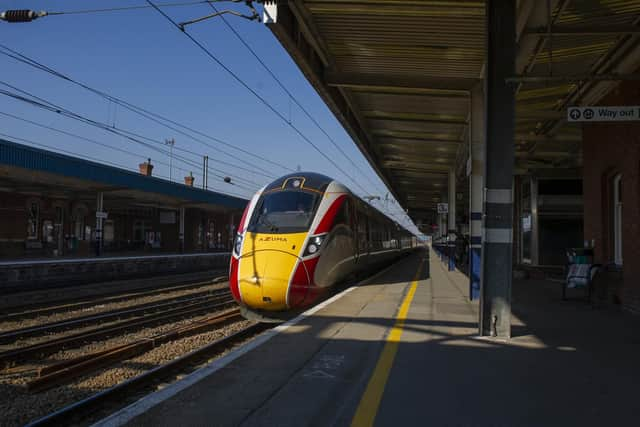

According to ARUP, Hull Trains services have delivered between £185-£380m in extra local benefits since the service was approved by Tony Blair’s Labour Government in 2000. These figures are expected to grow to between £325 and £700m by 2032.
The omens for the future are not good. The government now plans to take open access decisions away from the independent rail regulator and give them to its new nationalised Great British Railways (GBR). The latter will run the rail network, operate most trains and decide whether to let anyone else compete with it. The risk here is clear. What if those running GBR oppose competition and ignore what passengers want? The potential tragedy here is that evidence shows more competition will make GBR operate and perform better.
Open access train services are also key to keeping the British train building industry in business. Hull Trains and Grand Central’s owners have recently placed orders worth £800m for new trains from the important Hitachi plant in Durham. Grand Central’s new tri-mode trains mean they can run on battery, electricity and diesel making them much cleaner than today’s fully diesel fleet. Importantly, if Hull Trains had guarantees that they could continue to operate with certainty on fair terms, they could invest in similar clean intercity trains on the Hull to London route and slash pollution. Coincidentally, the city’s Labour MPs have this month called for an end to diesel trains.
Although Labour’s manifesto promised a continued role for open access operators, the government has opposed new applications. Ministers claim that they believe in the benefits of competition but there are no safeguards for operators in the plans, leaving them to wonder what the future holds.
Tony Lodge is a Research Fellow at the Centre for Policy Studies.