
Why patients that were let down need to be remembered during Breast Cancer Awareness Month as well - Isobel Foenander
Every October, we are reminded to check our breasts, attend screening and speak to a doctor if something does not feel right. That message matters. But there is another side to breast cancer awareness that receives far less attention: what happens when someone does ask for help and their concerns are missed?
In my work as a medical negligence solicitor, I act for people whose breast cancer was not diagnosed when it should have been. By the time they come to me, many have already been through surgery, chemotherapy or radiotherapy. Some have needed more extensive treatment than they might otherwise have had. Others are living with a worse prognosis.
Those physical consequences are often the easiest to identify. The emotional fallout is harder to put into words, but it can be just as real. Clients are left knowing that there was a point when things might be different. That thought can be very difficult to live with.
Time matters with breast cancer. A missed referral, an abnormal result that is not followed up, or symptoms that are not properly investigated can allow the disease to progress. Sometimes that means more invasive treatment. Sometimes it means fewer options. In the most serious cases, it can affect the chance of survival.
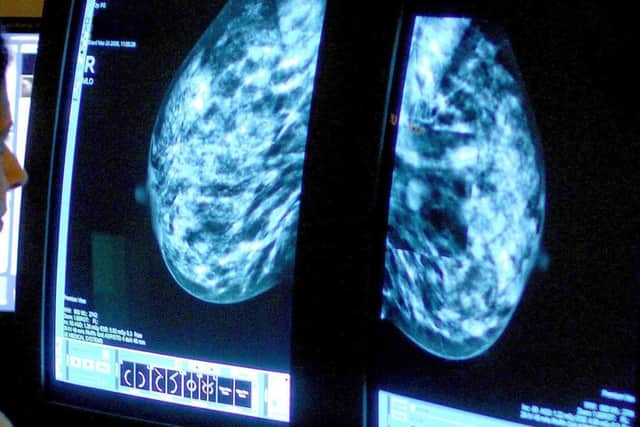

Of course, not every delay amounts to negligence, and not every delay changes the outcome. These cases need careful investigation. We look at what should have happened, whether the care fell below a reasonable standard and, crucially, whether that failure caused additional harm.
Where it did, the effects rarely fit neatly into a medical report. They may be felt at work, at home and in relationships. Treatment can affect independence, body image, fertility and family plans. A person’s day-to-day life, and their sense of who they are, may change completely.
A pattern I hear all too often is this: someone notices a lump or another change, seeks medical advice, and is reassured. Months later, and often due to their own persistence, they are told they have breast cancer. The diagnosis itself is frightening enough. Finding out that the diagnosis could have been made earlier adds another layer of distress.
The loss of trust can last long after the legal case is over. Effective healthcare depends on patients believing that they will be listened to, and that sensible decisions will be made about their care. Once that confidence has gone, even routine appointments can become a source of anxiety.
Awareness campaigns rightly encourage people to check their bodies and report changes, but the burden cannot sit with patients alone. When someone raises a concern, it needs to be heard and acted upon. Referrals must be made when appropriate, results followed up, and clear advice given about what to do if symptoms continue.
During Breast Cancer Awareness Month, we should talk about more than early diagnosis in the abstract. We should also talk about the people who asked for help and were let down. Their harm is not confined to cancer or the treatment. It includes the fear, the unanswered questions and the loss of faith in the professionals they still need to rely on.
Listening to patients is a basic part of safe care, and when care falls short, the response should recognise the whole person, not only the physical injury but also the psychological harm and the trust that has been lost.
Isobel Foenander is medical negligence partner at Tees Law.