
Why ‘plucky plumber’ Robert Kenyon should be praised for standing in the Makerfield by-election - Sarah Todd
He might not have been your correspondent’s cup of tea with his alleged uncouth comments, but it feels somehow important to say that the runner-up in the by-election that everybody is still talking about deserves our admiration.

Reform UK’s ‘plucky plumber’ candidate in the Makerfield election - that ultimately led to this week’s resignation of our Prime Minister - showed real guts for throwing his hat into the ring.
In a world where it’s increasingly impossible to get people to volunteer to do anything, from refereeing a children’s football match to handing out hymn books at a church service, Robert Kenyon stood up to the plate.
The self-employed plumber, who has served as an army reservist, hadn’t long been elected onto Wigan council when he was chosen as a prospective parliamentary candidate.
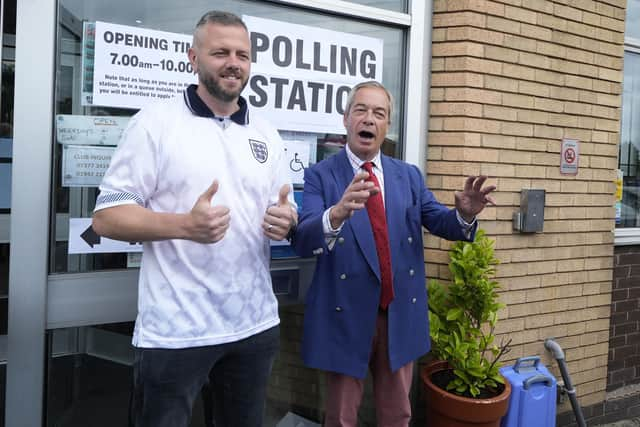

It was, of course, already worthy of praise that he had stood to be a local authority councillor, declaring in interviews that he was tired of things not getting done so rather than moaning he’d put his name forward to try to sort stuff out.
Presumably he is now having a well-deserved break or cracking on with a work backlog (deliberate plumbing pun), but it would be interesting to know whether he regrets putting himself through the wringer by standing.
While the left is smarming around the by-election victor Andy Burnham it’s hard to believe the stylishly spectacled one’s protestations that he is not part of the so-called metropolitan elite.
With two decades of Westminster under his designer belt, along with a Cambridge education, it is impossible not to view him as anything other than part of the political establishment.
The media training he will have had, helping him hone his working-class routes with trendy tops must be worth thousands.
Meanwhile Rob Kenyon turned up for what commentators called a car crash BBC Question Time interview looking uncomfortable - like any tradesman would - in a collar and tie; attire that drew cruel comparisons to a 1970s bus conductor. To me, it was more likely lad on a big night out. But that’s splitting hairs (slicked back in Burnham’s case) as our Rob had bothered to put a tie on. He also spoke sagely about ordinary people’s frustrations on subjects such as the cost of living, illegal immigration and all the things us mere minions might moan about in the pub.
How refreshing. No pre-rehearsed soundbites and skirting around questions. If he didn’t know the answer, he said he would find out. If he did have an opinion he gave it.
In a world where our population increasingly sits on its fat backsides waiting to be spoon-fed social security, Rob Kenyon is (with the caveat of those opening exemptions) admirable. Somebody who should be encouraged to get involved.
But who would bother now, having seen him slaughtered at the altar of political correctness? Said something a bit fruity down the rugby club 20 years ago? Forget it. Laughed with your mates at a Facebook post? Oh my, how the London lot choke on their legume lasagne.
Until we acknowledge the gaping chasms between the real working world, benefits Britain and the political classes - along with all the side issues such as those arriving illegally in rubber dinghies - we’ll just keep going around in circles.
Does Keir soon-not-to-be-here’s Downing Street demise need looking at alongside the closure of so many parish councils and other grassroots committees?
Where are the real people, like good old former Deputy Prime Minister the late John Prescott, who had a hairdresser wife, a handy left hook and had started work at 15? Not a former top legal brain, but a man of the people not afraid to show his human side.
Kenyon freely admitted that he was not a ‘career politician’ and this was surely the point of him. But back to stepping up to the plate. Or not, as the case seems to be.
Some blame our ‘drop and run’ culture of parenting for organisations such as the scouts’ serious shortfall of helpers. Others say those that do work are putting in more hours than ever before. An element is doubtless discouraged by a world which seems to prioritise risk assessments, creating an atmosphere of not being able to do right for doing wrong.
In fact, formal volunteering has fallen from 45 per cent to 28 per cent over the last decade or so. The Centre for Ageing Better estimates that 110 million hours of volunteering by older people have been lost annually since the pandemic. The economic value of those lost hours among over-50s alone could be as high as £4bn per year.
The sort of mothers who were often the pillars of organisations such as Brownies or an after-school netball club are now often working full time.
Older members of society now have to stay in harness longer. They may also be doing an awful lot of childcare for grandchildren or caring for their own parents.
One thing’s for sure; we are all the poorer for society losing its understanding of the real value of time and, in turn, the giving of it back to local communities.
Yes, volunteers don’t get paid. Thinking about it, it really is not because they’re worthless, but because they’re priceless…
Sarah Todd is a journalist specialising in farming and country life. Read her weekly column in Wednesday’s edition of The Yorkshire Post.