
Why ten years on from the Brexit vote we need a Swiss-style relationship with the EU - Will Kemp
The tenth anniversary of the referendum to leave the European Union today should mean celebrating the £18bn annual surplus (£350m a week) promised by Vote Leave in 2016, but instead the Government has revealed Brexit is causing the UK a loss of up to £240bn a year.
This means £90bn less tax revenue – or rather £83bn, since leaving saved £7bn – to spend on health, defence, pensions and so on. As such, the Government cannot simply do nothing, but national debt stands at nearly £3 trillion, severely limiting economic policy options, and no political party will risk another in/out referendum any time soon. So what now?
The short term answer is ‘realign with EU trading standards’, to ensure that UK firms can at least sell their goods and services in the EU, which accounts for half our trade. As such, the King’s Speech in May included a commitment to seek a ‘reset’ in UK-EU relations, stating that ‘improved trading relations are vital’ for ‘raising growth’ and ‘lowering prices’.
Ironically, the Government’s new stance marks a return to the Europragmatism of Mrs Thatcher, who disliked Europe but knew the UK cannot afford to remain in pointless isolation given our dependence on its trade – so supported the Single Market and shaped the Single European Act 1986 to reduce related trade barriers, thus leading to freedom of movement and therefore European workers coming to the UK (especially the south-east), thereby reducing inflationary pressure on the economy.
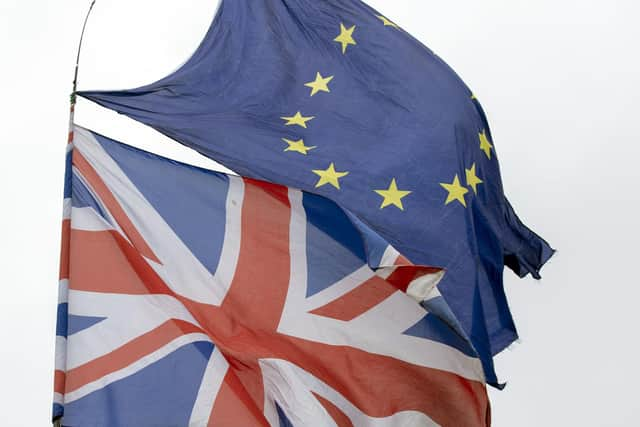

Reform and others have accused Labour of betraying the public mandate to ‘take back control’, but the Government knows the tide of support for Brexit has turned, with higher prices hurting voters, 20,000 firms no longer doing business with the EU or going bust since 2020, and nobody trusting Brexiteers’ claims anymore: Lord Heseltine recently called Brexit ‘a pack of lies’, and a YouGov poll in January shows that only 31 per cent of voters now want to stay outside the EU – a staggering drop of 21 per cent since 2016.
So will realignment be enough to reverse the UK’s flagging economic fortunes?
Only time can tell. However, if the economy continues to slide due to Brexit as predicted by The Financial Times, and support for remaining outside the EU drops even more – as is likely since 60 per cent of those aged 65+ voted Leave in the 2016 referendum, meaning those voters are unlikely to participate in another vote – another in/out referendum seems inevitable at some point in the 2030s. Indeed, if support for remaining outside continues to fall at its current rate, only 10 per cent of voters would back Brexit by 2036.
But there is another way. Switzerland replicates parts of the Single Market in key sectors, enjoys free movement, has its own currency, contributes to the EU budget and benefits from trade advantages without being a full member. A Swiss-style model, as once mooted by Nigel Farage, would allow EU workers free movement in those sectors worst hit by Brexit – construction, health and agriculture – thus helping to reduce inflation and increase productivity.
Having hit the self-destruct button of Brexit in 2016, which has left us poorer and weaker, surely something – like anything – would be better than nothing. Also, becoming a ‘half’ member of the EU could at least comprise a compromise between Brexiteers and Rejoiners, and may help to heal the damage and division caused by Brexit.
Who now would not vote for that?
Will Kemp studied Economics at Cambridge University.