
Why the drive towards a cashless society could leave all of us poorer
No one wants to stand in the way of progress but we seem to be careering towards a society that is blinded to the inequalities that modern technological developments are engendering.

Older generations are particularly vulnerable when it comes to tech transformation, especially when it comes to transactions.
There are far too many businesses out there that have now pivoted completely towards contactless payments. While tech evangelists will welcome the idea of tapping a card to pay for their goods, there are already many instances where people are being turned away from shops because they only have cash on them. It’s not just shops but everyday services are also going cashless.
Businesses should not be burdened with unnecessary red tape but there is a strong case for regulation that makes firms accept cash.
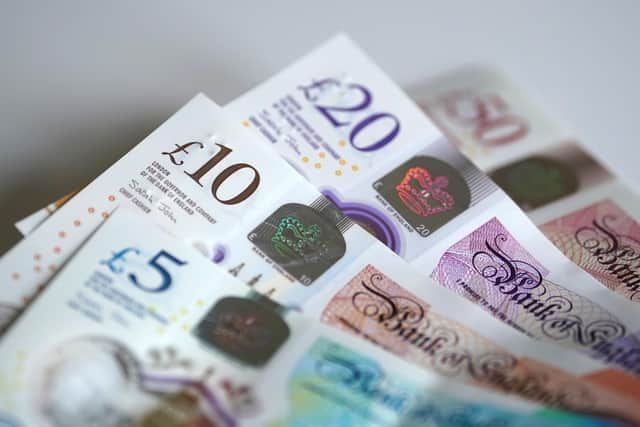

The Treasury Committee is right to urge the Government to undertake a “vastly improved” monitoring and reporting of cash acceptance levels.
The committee warns that not doing so could risk creating a two-tier society, where vulnerable groups become excluded from community spaces such as leisure centres, theatres and public transport.
It’s not just the elderly. Those who have been ‘unbanked’ for whatever reason also find it difficult to access goods and services.
Exclusion is not the only problem with the drive towards a cashless society. More people could end up suffering from debt problems if physical currency is to become a thing of the past. The ease of contactless payment and the lack of tangible money in people’s hands may lead some to losing track of their finances.