
Why we should be concerned about effective banning of David Walliams' books: Sarah Todd
Children’s literacy looks set to suffer from knee-jerk reactions to the unproven allegations against television personality David Walliams.

Po-faced parents and teachers have been in the news talking about removing Walliams’s work from school libraries and home bookshelves. Everywhere you look there is some sanctimonious spoilsport relishing confiscating copies of his best-selling books.
Not a believer in trial by social media, this reporter is from the old school when all sorts of gossip might have been common knowledge in the newsroom but it never went any further for fear of being found in contempt of court and prejudicing any legal proceedings. As a side rant, those of us of a certain vintage sat for what felt like forever on hard courtroom press benches learning from wise old hacks to back up the classroom law lessons that were hammered home by some scary old editor or other.
Whatever Walliams is or isn’t accused of, his influence on children’s reading is underestimated at the younger generation’s peril.

Reading rates among Britain’s youngsters have fallen to a multi-decade low; the lowest levels recorded since modern surveys began in 2005.
According to the National Literacy Trust just 18.7 per cent of eight to 18-year-olds picked up a book daily during 2025, with less than half - at 44.5 per cent - five to eight-year-olds reading every day. Whatever happened to the idea of it being poor parenting if children didn’t get some bedtime story time? Lights out, then a torch under the pillow to sneakily see what would happen next.
A UK Parliament Education Committee inquiry on reading for pleasure, laid the blame at the likes of screen time, rising child poverty, and crowded school curricula.
We all know about the first one – blessed screens – but the last one also stands out. When our children were starting school, around 20 years ago, it was noticeable how so much focus seemed to be on achieving certain set targets.
Jumping through hoops so the teachers could tick a box, rather than going on a journey of learning like we had done at that age. What about the joy of just reading for reading’s sake?
It’s been banged on about in many a column, but while The Daughter was a natural bookworm – devouring all her parents old Enid Blyton’s – her brother took some getting going. Nothing he was ever sent home with from school enthused him.
It was that stripey-jumpered menace, by the name of Dennis, who got him going.
Once he could successfully read out a whole page, he was rewarded with a subscription to the Beano and never looked back. It got harder again as he got to be a teenager but autobiographies, such as those by racing driver Jenson Button, got him back on the right road. The other year, as a 22-year-old, he made sure he had a book for a flight out to Australia.
It was an original James Bond story, tucked into his rucksack along with a paper copy of the Farmers Weekly.
It doesn’t matter what children are reading, in your correspondent’s opinion, so long as they are.
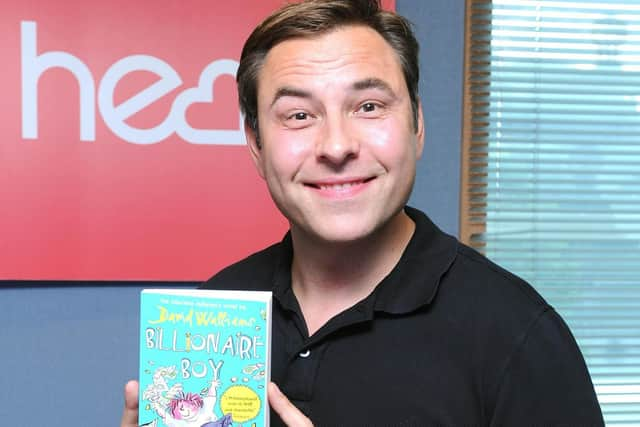
From whatever first gets them going - be that a comic or a daft David Walliams book – there is hope that they might go on and continue to be curious. To have a flick through some pages rather than ending up like all the other slack-jawed mobile phone scrollers that our country seems so adept at producing.
There are some of Walliams’s first books, such as The Boy in the Dress and Gangsta Granny, on the bookshelf in the little lad that once read them’s now vacated bedroom. They won’t be being thrown on the fire like some would have us do if they weren’t so worried about carbon emissions.
They were part of a reading road that led to the Spud series of books, all about a 13-year-old South African boy called John ‘Spud’ Milton, His antics were so fondly recalled that their reader named the dog he bought (currently sat at this writer’s feet) with his first summer job wages when he was 16, Spud.
There is no concrete evidence to back this up - apart of course from book sales of more than 60 million - but whenever young nieces were told their auntie wanted to get them a book, she was always, without fail, directed towards the latest David Walliams.
Queen Camilla has spoken so well about getting children reading early so books can give them a “magic carpet” to take them on adventures, build knowledge, and offer a break from screens. Cancel culture mustn’t be allowed to deny children a leg up onto that carpet.